Process
How to Build a Miniature Room for a Doll Without Losing Scale
A repeatable process for keeping a doll-size room believable: set one scale from the doll, convert every real measurement, and build from architecture down to props.

By Sophie Harrow
· 7 min read
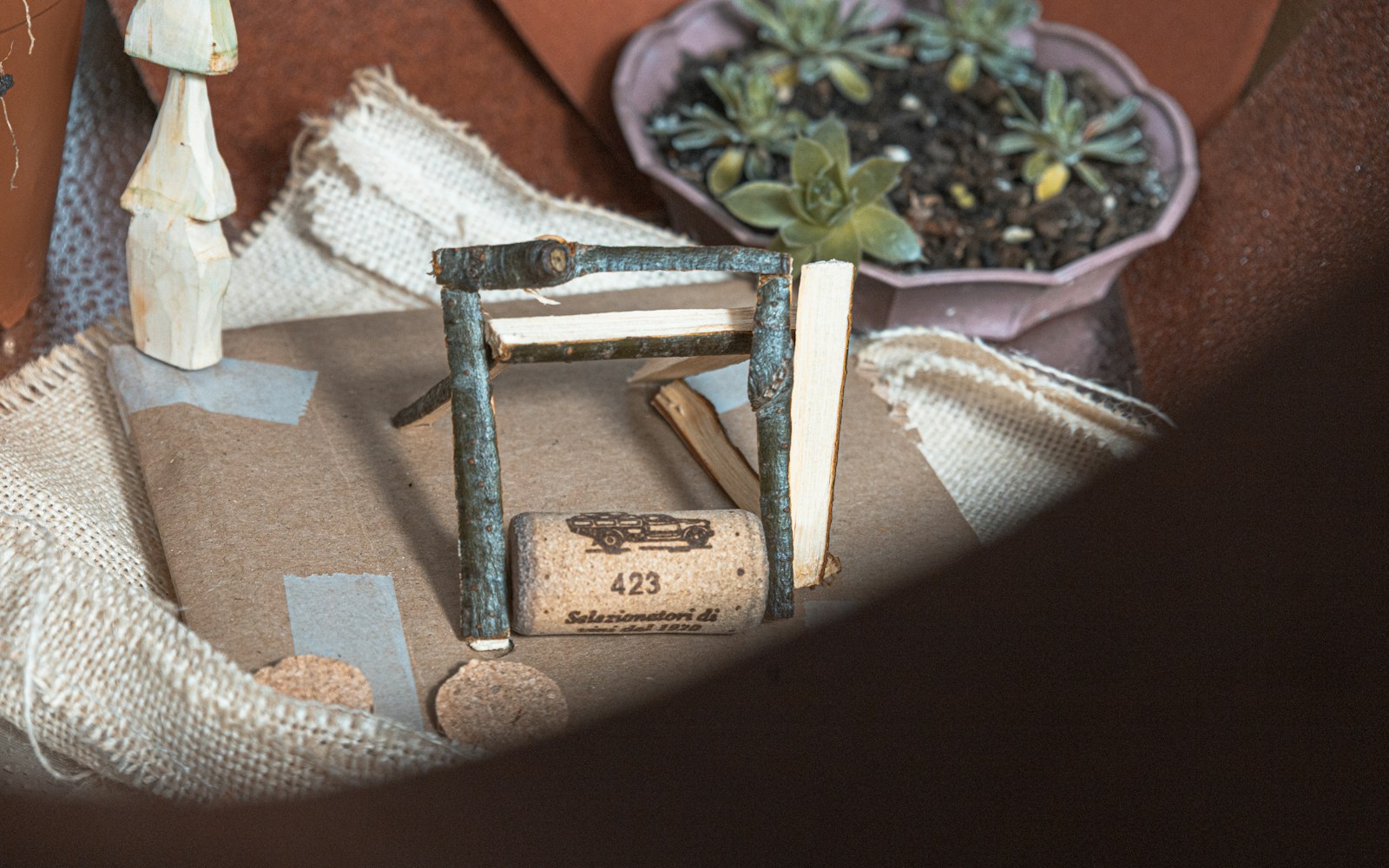
The problem is not usually any single piece. It is that each piece in the room is carrying a different assumption about what an inch means. A table built around a 1:12 mental model looks wrong beside a ceiling planned around a 1:8 mental model, and the eye reads the mismatch even when it cannot name it. The fix is to set one scale number before you cut anything and use it for every conversion.
Start with the scale number, not the furniture
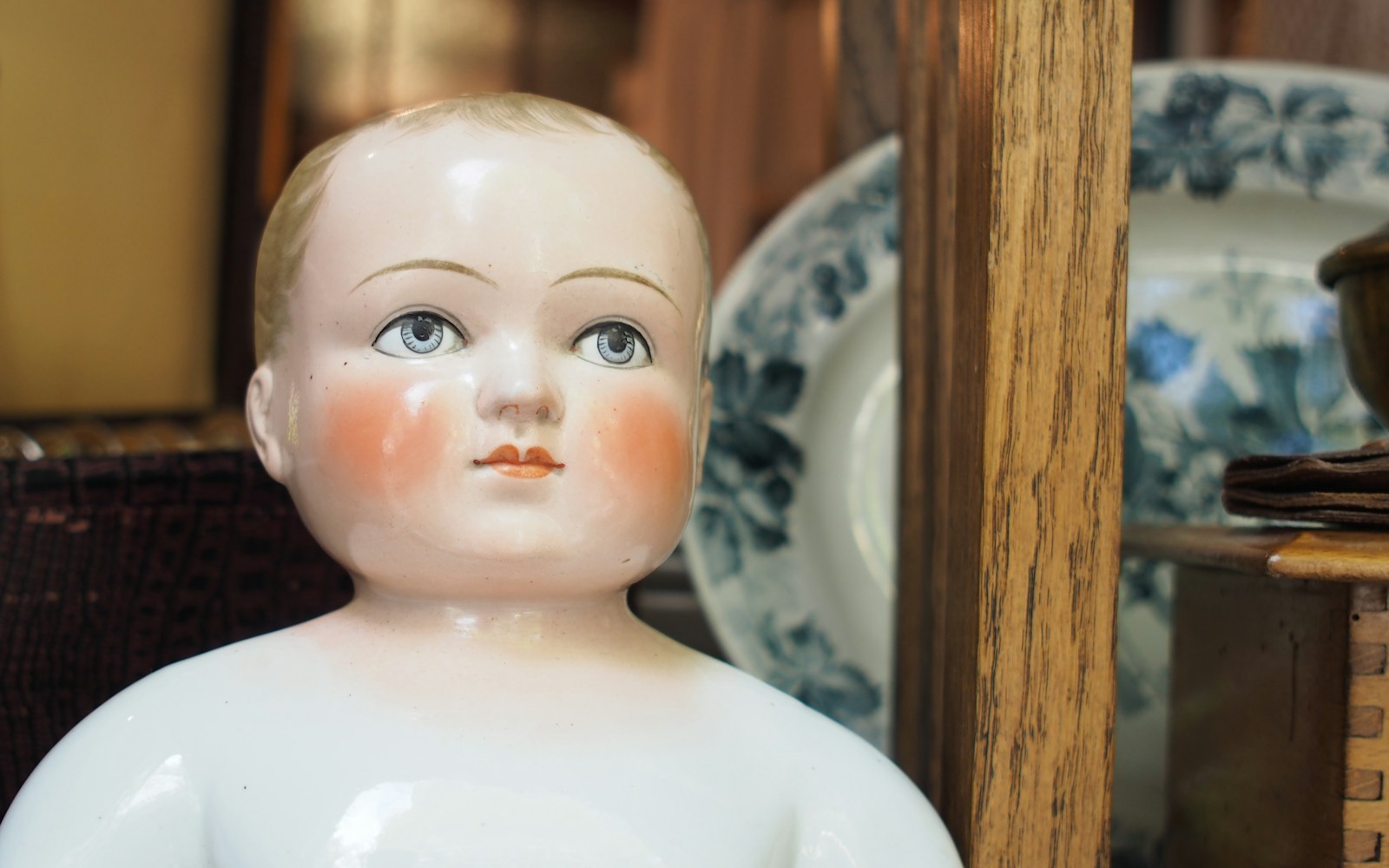
Scale accuracy begins with one agreed number. Choose it from the doll, not from a store label or a remembered room box. Measure the doll from the soles of its feet to the top of its head, then decide what real-world height that doll represents. A 9-inch doll representing a 6-foot person—72 inches—gives a scale denominator of 8, because 72 divided by 9 is 8. That makes the room a 1:8 room. If the same doll is meant to represent a shorter person, the denominator changes; the point is to make a deliberate choice and stick to it.
Use that denominator for every conversion from real life to miniature. Miniature size equals real-world size divided by the denominator. A 28-inch real table becomes 3.5 inches at 1:8 (28 divided by 8). A 96-inch ceiling becomes 12 inches at 1:8. The denominator does not need to be a standard hobby scale. It only needs to be the same number every time.
If you prefer a standard scale such as 1:12, confirm it against the doll before buying or building. A doll that is 8 inches tall and represents a 6-foot person is 1:9, not 1:12. That does not make the doll wrong; it only means 1:12 furniture will look small around it. Standard labels are useful conventions, but they are not substitutes for measuring the doll.
Use a fixed reference object to measure photos
When you copy a real room, photograph it with a reference object of known size in the frame: a ruler, a floor tile, a door you have measured, or a card you have measured. Place the reference in the same plane as the item you are measuring if you can, so perspective does not distort the ratio.
In the photo, measure the reference object and the unknown item in the same unit, whether that is pixels on screen or fractions on a printed image. Divide the item measurement by the reference measurement, multiply by the known size of the reference, and you have the real size of the item. Convert that real size to miniature size using your scale denominator. For example, if a cabinet measures 400 pixels and the ruler in the same frame measures 200 pixels across 12 inches, the cabinet is 24 inches real. At 1:8, it becomes 3 inches.
If the photo has no known object, use an assumed standard only with caution. Door heights, counter heights, and ceiling heights vary by country, period, and building practice. A 30-inch counter and a 36-inch counter both look like counters in a photo, but they produce noticeably different miniature tables. When photographing your own work, keep the same reference object in the frame so later edits use the same calibration.
Build from the architecture down to tabletop props
Most proportion problems happen when the small details are built first and the architecture is fitted around them. Reverse the order.
Start with the room shell: floor dimensions, ceiling height, wall lengths, and the sizes and positions of window and door openings. These elements give the strongest proportional cues. A room that is too low will make every piece of furniture look massive; a room that is too high will make the doll look like a child.
Next place fixed and large elements: built-in shelves, fireplace, window trim, baseboards, and major case pieces. These are hard to change later, and they establish the visual rules for everything placed in front of them.
Add furniture that touches the doll next: chairs, bed, table, sofa. Test the doll against each piece in the position you intend to display it. If the seat height or table height is wrong, the doll can read as a prop dropped into a cabinet instead of a resident of the room.
Add tabletop props and surface details last: books, dishes, frames, tools, food. At these sizes, small cumulative errors can make an otherwise careful room feel off, so measure them too, but do not start with them. Working from large to small means each layer’s dimensions constrain the next layer, so the final assembly has fewer contradictions.
Check proportions at each stage, not only at the end
Make cut-paper rectangles for planned walls, furniture, and props before committing to materials. Use the dimensions from your scale denominator, cut them roughly, and place them inside the room shell. Card and paper are cheap; a rejected door is not.
Test large items in the actual room shell even if the paper mockup looked correct. A door height that works on paper can feel wrong when viewed from inside the room. The eye at doll height is the final editor.
Use digital calipers or a ruler with fractions for small parts, especially when a fraction of an inch changes a tabletop from likely to unlikely. At small scales, a 1/16-inch error can be the difference between a plate that reads as a dinner plate and one that reads as a saucer.
Photograph the room from a low, doll-eye level after each major step. A camera flattens perspective and makes size mismatches easier to spot. The lens can show you what the doll would see, not what your eye expects to see.
Keep a build log with the scale denominator, the real measurement, and the converted miniature measurement for each element you reuse. A build log like this can prevent the re-measuring and scale drift that happen halfway through a long project.
Avoid the common scale mistakes
- Do not mix miniature sizes from different standard systems unless you have verified each piece with the same scale denominator. A 1:12 chair beside a 1:24 table is not a stylistic choice; it is a measurement contradiction.
- Do not start with surface details. A tiny ornament cannot correct a ceiling that is too low or a sofa that is too tall. Save detail work until the architecture is settled.
- Do not assume a piece of furniture from a craft store is correctly scaled. Measure it against your doll and the room shell before you place it. Labels can be optimistic.
- Watch architectural thickness. Baseboards, window frames, and door casings need to be scaled down too, not just the furniture. If a baseboard is as thick as a real 6-inch board, it can make the wall look like a stage flat.
Know when exact accuracy matters less than sightline impact
Scale accuracy is a tool for believability, not a museum-grade requirement. A table height matters when the doll interacts with it; book thickness matters less. If a measurement falls between convenient material sizes, choose the size that reads best from a normal viewing distance and from doll eye level. Sometimes the correct miniature dimension looks too fragile, and a slightly thicker shelf or chair leg will photograph better. That adjustment is part of making, not a failure.
Some visual adjustments are acceptable in miniature rooms. Slightly deeper shelves can make props readable. Slightly taller chair backs can make a chair look comfortable. The goal is a room where all parts feel related to the same doll-sized world. When a discrepancy is invisible in a normal photograph, it is probably acceptable.
Documentation habit
Scale drift is the main practical risk in a long project. Write the scale denominator and the reference object’s size on every plan or material list. That simple act can prevent the second-guessing that slowly moves a room away from its original scale.
Keep a small card in your tool kit with the denominator and common conversions, for example: at 1:8, 1 foot real equals 1.5 inches miniature. The card is quicker than recalculating every time and gives you a constant check when you are buying or scavenging parts.
If you change the doll or choose a new scale, recalculate from scratch. Do not assume previous parts still fit. A scale is an agreement between the doll and the room, and changing one side changes the agreement.