Materials
How to Build and Display a Freestanding Mixed-Material Art Doll
Plan the support before the surface decoration: a practical guide to armatures, bases, mounts, material compatibility, and safe handling.
By Mateo Ellis
· 10 min read
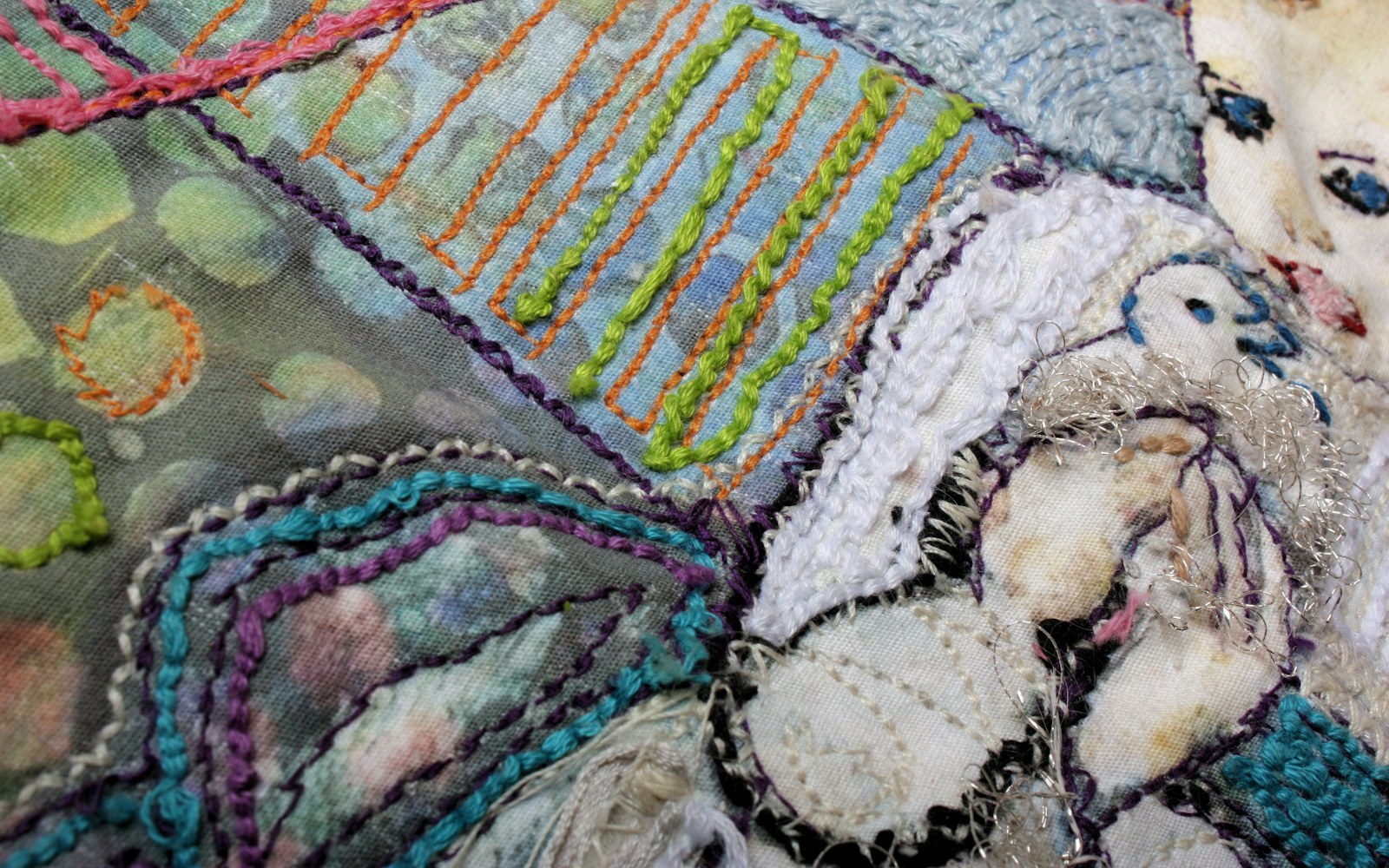
A small handmade figure that combines fabric, wire, beads, leather, paint, and several kinds of thread needs more than an attractive surface. It needs a support system chosen for its finished weight, center of gravity, flexibility, and intended handling. Decide whether the figure will stand on its own base, lean against a removable support, or use a concealed mount before adding embroidery, beads, paint, or dense threadwork.
For most mixed-material figures, the safest starting point is a tested armature and a defined load-bearing route from the head and torso through the feet or a support fitting into the base. The armature should carry structural forces; fabric and decoration should not be expected to do that work accidentally. A small figure may be light overall but still unstable if its head, raised limb, coat, beads, or wet-applied finish shifts the center of gravity away from the feet.
Choose how the figure will stand before building it
Begin with the display outcome rather than the surface technique. A truly freestanding figure needs a sufficiently broad or weighted base, stable feet, or both. A leaning figure can use a removable rear support, but its contact point must not crush raised stitching or rub against paint. A mount-supported figure offers more control for delicate or unusually proportioned work, provided the mount is padded, inspectable, and designed to be removed without damage.
Make a quick front and side drawing. Mark the spine, hips, knees, ankles, feet, base connection, likely center of gravity, and any proposed rear or internal support. Include the intended tabletop footprint and the viewing angles. A support that is invisible from the front may be obvious from the side, while a narrow base that works in a studio may be easily knocked during collection handling.
Ask four practical questions:
- Will the figure be handled often, or mostly viewed behind a barrier?
- Must it travel in a box, or can the base remain attached?
- Should the object also be displayed without its support?
- Is reversibility more important than complete concealment?
These answers help distinguish a decorative stand from a structural support. For a valuable, fragile, or already finished object, seek advice from a conservator or appropriately experienced mount maker rather than testing an uncertain attachment directly on the work.
Compare armature and support options
A mixed media art doll armature provides internal shape, distributes loads, and creates controlled attachment points beneath textile and surface materials. It does not automatically make a figure self-supporting. The right construction depends on scale, proportions, the weight of decoration, and how much movement the finished figure should retain.
Wire armature doll
A wire armature is useful when the figure needs a defined spine, limbs, bends, or poseable transitions. Wire diameter and stiffness should be selected in relation to the figure’s scale and finished weight. A thinner wire may suit a small, flexible limb but buckle under a heavy head or leather garment; a thicker wire may hold a pose but become difficult to bend cleanly or may place too much pressure against the textile covering.
Use controlled bends rather than repeatedly flexing the same point. Protect cut ends and sharp turns with wrapping, a shaped core, or another suitable barrier before fabric is applied. Bare wire can abrade thread, felt, leather, or paint during assembly and later handling. If the wire is expected to move, allow for movement without making the surrounding textile carry the strain.
Felt or foam core
A felt, batting, or foam core can establish lightweight volume and cushion surface materials. It is often useful for a head, torso, or soft limb, particularly in stumpwork figure construction where layered textile forms create much of the visible body. A core alone may not control long limbs, narrow ankles, or a top-heavy pose, however. It may need a wire spine, internal rod, stitched channel, or connection to a base.
Foam and felt also respond differently to compression. A mount or tight wrapping can flatten a soft core over time or change the fit of a removable support. Test the actual covering, thread tension, and contact pressure before closing the figure.
Combined wire-and-core construction
For many small figures, a combined construction offers the most adaptable balance. Wire defines the pose and provides a route for structural loads, while felt, batting, or foam builds volume and prevents the wire from pressing directly against the outer materials. The connection between these parts should be secure but inspectable where possible.
Do not let decorative stitching, beadwork, or a glued trim become the only connection between a heavy element and the armature. Structural attachments may use stitching, wrapping, mechanical capture, or a removable fitting; adhesive can support an assembly but is rarely a complete substitute for a planned mechanical connection.
Base, internal support, or concealed mount
A weighted base is generally useful for uneven figures, flexible legs, heavy surface decoration, or objects that will be repositioned on a tabletop. Its shape matters as much as its mass. A broad, low base can resist tipping without adding excessive height, while a narrow base may leave a tall figure vulnerable to sideways movement.
An internal wire support can preserve a cleaner exterior and work well when the support can continue from the spine into the base. It must be protected where it passes through textile, and the base connection must be strong enough for the finished object rather than only the bare armature.
A removable rear support or concealed display mount is preferable when the figure is delicate, collector-handled, or intended to be viewed both with and without a stand. Concealment should not take priority over safe contact. A hidden mount that compresses beads, raised stitches, painted areas, or fragile leather is not an improvement merely because it cannot be seen from one angle.
| Support option | Stability | Weight | Visibility | Flexibility | Reversibility | Best use |
|---|---|---|---|---|---|---|
| Broad weighted base | Usually high when proportioned to the finished figure | Adds weight | May be visible | Low at the base | Moderate | Uneven or decorated figures for tabletop display |
| Internal wire armature | Depends on the base and joints | Low to moderate | Usually hidden | Moderate to high, depending on wire | Moderate | Shaping limbs, spine, and controlled poses |
| Felt or foam core | Moderate for volume; limited for long unsupported parts | Low | Hidden | Low to moderate | Moderate | Lightweight bodies and cushioned forms |
| Removable rear support | High if contact and balance are well planned | Low to moderate | Partly visible or concealed | Low at the support point | High | Delicate or frequently inspected objects |
| Concealed display mount | Can be strong, but depends on fitting and object balance | Low to moderate | Minimal | Low | High if properly fitted | Clean viewing angles and collector handling |
Plan joints, feet, and attachment points first
Build and test the armature before adding embroidery, beads, leather, paint, or dense threadwork. Check the stance from the front, side, and rear. If the figure rocks, twists, or leans at this stage, surface decoration will usually make the problem harder to correct.
Treat the spine, hips, knees, ankles, and feet as structural transitions. Reinforce these areas through a deliberate bend, wrapped junction, shaped core, stitched channel, or other suitable method. Do not rely on a thin textile seam to hold a rigid wire against repeated movement unless that seam has been specifically designed and tested for the load.
Plan access for adjustment. A small opening, removable sole, threaded fitting, or accessible base connection may make future repair possible without cutting through a finished costume. Distinguish structural attachments from decorative attachments on the working drawing so a bead cluster or embroidered edge does not become an unintended handle.
Match mixed materials to the support system
Every added material changes the balance and behavior of the object. Fabric and multiple threads may add little weight individually but create tension when pulled tightly. Beads and metal findings can concentrate weight at the head, hands, hem, or other projecting areas. Leather may be heavier and less forgiving around tight bends. Paint and dye can stiffen, stain, or add moisture during application, while wet finishes should be allowed to cure appropriately before enclosed layers are sealed.
Place heavier decoration close to the intended center of gravity when possible. If the design requires weight at a raised limb or projecting branch, compensate with the base or support rather than forcing the feet to resist an unstable lever. Recheck the balance after all decoration is attached; the bare armature is not an accurate model of the finished object.
Use soft wrapping or barriers where wire could move against fabric, thread, or leather. Inspect cut ends, folded seams, holes, and channels for abrasion. Adhesives should be tested in a hidden area because their behavior depends on the specific textile, coating, dye, paint, metal, humidity, and curing conditions. An adhesive can remain tacky, stain, stiffen, or fail to bond as expected; it should not be treated as universally safe.
Also consider corrosion and staining. Dissimilar metals, trapped moisture, uncured finishes, and acidic or unstable materials can create risks at enclosed contact points. Keep components dry during assembly, avoid sealing damp layers inside the figure, and use compatible materials where the construction will be difficult to inspect later.
Choose and conceal the base or mount
The contact area between figure and support should be padded without becoming soft enough to wobble. Padding must not shed fibers, transfer color, or press continuously against raised embroidery, beads, or painted surfaces. A removable mount should hold the object without pinching it, and the fitting should be accessible for inspection.
A broad weighted base is often the most practical option for a figure with flexible legs, a high head, an uneven silhouette, or substantial surface decoration. A narrow internal stem may be appropriate for a lighter, well-balanced figure when the stem enters a planned structural point. A rear support can reduce visible hardware, but it may shift pressure onto the back of a costume or textile body.
Design concealment around the complete viewing experience. Check the front, sides, rear, and likely handling position. It is better to have a small, clearly understood support than an invisible fitting that cannot be removed or inspected. For collector display, document whether the figure should remain mounted, how it should be lifted, and which areas must not be touched.
Test stability, handling, and reversibility
Test on the actual display surface, first with the bare armature and again after the figure is complete. Look for rocking, gradual leaning, twisting at joints, wire exposure, loose beads, crushed textile, and movement between the figure and base. Make gentle, controlled handling tests rather than shaking the object or repeatedly flexing finished joints.
If the figure will travel, test the packing sequence separately. Prevent the support from becoming a lever against the body, and do not allow loose beads, wire ends, or hard fittings to contact painted or embroidered surfaces. Recheck the work after transport or a significant environmental change, since tension, compression, and balance can shift.
Record the support layout, materials, wire type or description, attachment points, removable parts, and removal steps. A simple diagram and photographs taken before final closure can save unnecessary damage during repair. Note the intended stance, acceptable handling points, and any materials that require particular caution. General stability advice cannot replace professional conservation guidance for fragile or valuable objects.
Stability and handling checklist
- The intended stance is documented: freestanding, leaning, or mount-supported.
- The base or mount supports the finished weight, not only the bare armature.
- Feet, spine, joints, and attachment points were tested before surface detail was added.
- No wire edge, fastener, adhesive bead, or mount presses directly against vulnerable textile or painted areas.
- Heavy decoration is secured and does not pull the figure out of balance.
- Materials were tested for abrasion, staining, corrosion, trapped moisture, and adhesive compatibility.
- The support can be inspected, adjusted, removed, or repaired without unnecessary damage.
- The packing method prevents the figure and support from levering against each other.
- Handling instructions identify safe lifting points and areas that must not be touched.
- The maker or collector has a record of the support layout, materials, and removal steps.
The most reliable freestanding textile sculpture is not necessarily the one with the heaviest base or stiffest wire. It is the one whose structure, surface materials, display method, and future handling have been planned as a single system.