Collector's Guide
How to Document Authenticity When a Handmade Figure Uses AI-Generated or Copied Designs
The strongest authenticity record is a dated chain from concept and source materials through construction, revisions, edition records, and sale—not a visual verdict.
By Lena Park
· 10 min read
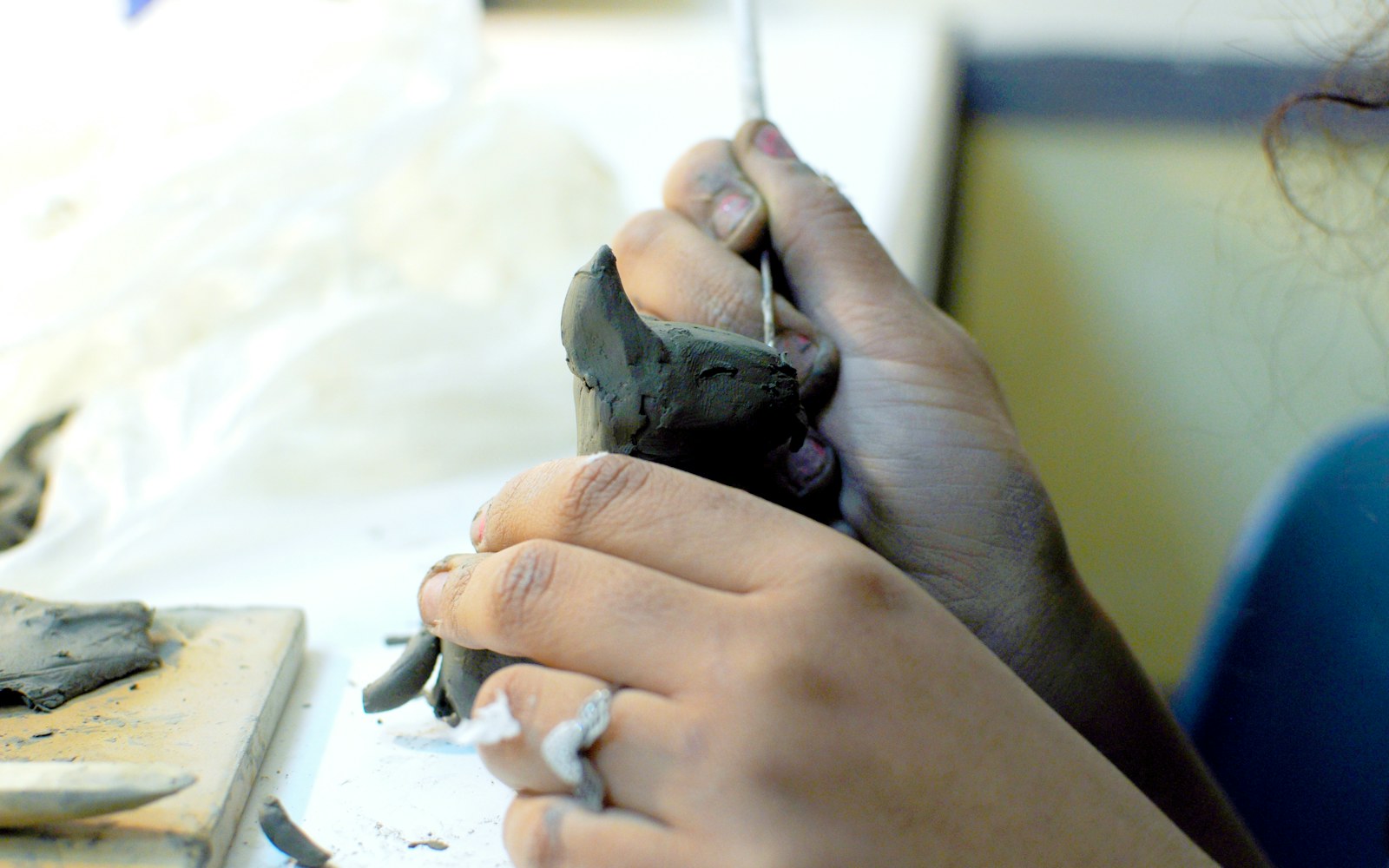
If you are trying to establish whether a handmade figure is original, adapted, licensed, or copied, begin with records rather than appearance. The most reliable approach is to preserve a dated chain from the first concept and source materials through construction, revisions, edition details, and sale. A polished surface, unusual anatomy, or image that appears machine-generated may justify further questions, but none of these features proves copying, AI generation, infringement, or fraud on its own.
For makers, this means building a file for each work or edition. For buyers, it means asking for a proportionate account of authorship, sources, materials, and process, then keeping your own purchase records. Good art doll authenticity documentation clarifies what is known, what was adapted, and which version of the object changed hands.
Start with a provenance record, not a visual verdict
Several terms are often used as if they mean the same thing. They do not.
- Provenance is the documented history of a particular object: who made or owned it, when it was produced, how it was sold, and which records identify it.
- Authorship concerns who designed, constructed, edited, or otherwise contributed to the work. A maker may need to distinguish between original decisions and elements supplied by another person or source.
- Licensing records permission to use someone else’s image, pattern, character, digital asset, or other protected material under stated conditions.
- Adaptation describes a work developed from an existing source, such as a purchased pattern, reconstructed garment, craft kit, public-domain reference, or licensed image.
- Source records are the supporting materials: sketches, photographs, invoices, pattern files, receipts, permissions, tool logs, and notes that explain where elements came from.
A certificate can summarize these facts, but it does not create them. Nor does a process photograph, maker statement, or AI tool log by itself guarantee originality or exclusive authorship. Documentation is evidence to assess alongside the object, transaction, and relevant source materials.
Authenticity documentation at a glance
Identify the maker and work; record the concept and source materials; preserve dated process evidence; list adaptations, licenses, and AI assistance; match certificates and edition records to the object; retain buyer receipts and correspondence; treat visual similarity as a prompt for questions, not proof.
Build a maker file for every original figure or edition
A maker file may be private and detailed, while the buyer-facing provenance summary can be brief. The important point is that the summary should be traceable to underlying records.
Record the design history
Start with a work identifier and the date the concept began. Record the initial sketches, reference images, written notes, and major design decisions. If the figure developed from an earlier form, note that relationship rather than presenting the later version as wholly unrelated.
Useful entries include:
- the concept date and working title;
- early sketches, sculpting tests, or digital drafts;
- references consulted and the purpose for which they were used;
- decisions about scale, pose, anatomy, costume, surface, and finish;
- dates when substantial revisions were made;
- the final version number or edition identifier.
Dates do not prove that every idea is original. They do, however, create a chronological account that can be compared with other records if questions arise.
Photograph the stages that matter
Keep dated, original-resolution images of the work in progress. Depending on the medium, this may include sculpting, armature construction, pattern drafting, cutting, assembly, painting, hair work, surface finishing, and packing.
Progress images are most useful when they show the relationship between stages. A single attractive studio photograph is less informative than a sequence that shows how a form, pattern, or surface developed. Include enough of the workspace or surrounding materials to identify the work without revealing confidential customer information or unrelated commissions.
A process record should remain truthful about what it shows. Photographing a late stage does not establish that the entire design was made by the person holding the object. If a component was purchased, outsourced, generated digitally, or supplied by a kit, record that separately.
Keep material and construction notes
Record the materials used, suppliers where relevant, measurements, substitutions, and construction methods. For a figure, this might include the type of clay or textile, armature materials, adhesives, paints, sealers, stuffing, fastenings, wigs, found garments, or printed components.
Invoices and receipts can help establish when materials were obtained, but they do not prove how they were used. Pair them with notes about batches, colour changes, discarded tests, and substitutions. Material behaviour also matters when evaluating process claims. A supplied kit, difficult fabric, brittle medium, or complex construction method may affect whether a result can realistically be reproduced from the stated instructions. Difficulty or inconsistency alone is not evidence of deception.
Preserve pattern and digital-file versions
Save patterns, templates, stencils, texture maps, sculpting files, reference boards, and other working documents with clear filenames. A simple system might include the work identifier, file type, and revision date, such as WF-014_pattern_v03_2025-02-18.
Do not overwrite earlier versions when a design changes. Keep a revision note explaining what changed: a revised limb proportion, altered garment panel, replaced texture, new face design, or correction to a generated reference. For physical patterns, scan or photograph each important revision and retain the dimensions if practical.
Link the final maker file to the object through an edition number, certificate number, inventory code, signed mark, invoice, or other work identifier. Avoid placing private addresses, customer details, or confidential supplier terms in a document intended for public circulation.
Document sources, adaptations, and permissions
A transparent record does not require a maker to claim that every component originated in the studio. It requires the maker to say what came from where and how it was used.
Create a source list that identifies any:
- purchased pattern or craft kit;
- reconstructed or found garment;
- public-domain reference;
- licensed image, character, or digital asset;
- stock texture or commercial component;
- commissioned or outsourced part;
- borrowed object used as a mould, reference, or construction model;
- AI-generated image, text, pattern, or design reference.
For each source, mark whether it was used as a reference, adapted, reproduced, or incorporated as a physical or digital component. Keep receipts, licence terms, permission messages, kit instructions, attribution requirements, and relevant correspondence. A receipt may show purchase, but it may not grant permission to reproduce or resell every image associated with a product. Check the terms that apply to the specific use.
Copyright, licensing, and authorship questions vary by jurisdiction, contract, and platform or tool terms. A general source note is useful provenance, not a legal opinion. Where a dispute concerns rights, commercial use, or a demand to remove or alter a work, qualified professional advice may be appropriate.
If AI tools or generated references were involved
An AI-related record should describe the human process without implying that a tool log settles authorship. Record:
- the tool or service used and the approximate date;
- whether the input included the maker’s own sketches, photographs, text, or another person’s material;
- the purpose of the output, such as brainstorming, colour exploration, reference, pattern testing, or a component of the final design;
- which outputs were selected or rejected;
- the human edits, redraws, sculpting, drafting, assembly, painting, or other decisions that followed;
- whether any generated output was reproduced directly, substantially edited, or used only as a private reference;
- the applicable tool terms and any attribution or usage conditions considered.
Keep the original input and output files where the terms permit it, but do not publish another person’s private material or personal information merely to make a process record. A generated image may also contain unverified visual details or resemble existing work. Treat it as a source requiring review, not automatic proof of originality.
Use visual checks as prompts for further questions
Visual comparison is useful, but its role is limited. Possible warning signs can include repeated distinctive motifs, unexplained similarity in composition or pattern, inconsistent anatomy, construction details that do not match the claimed method, or a process account that cannot reasonably support the finished object.
These signs can establish a reason to request clarification, source records, or comparison with earlier versions. They cannot establish intentional copying, AI generation, infringement, or fraud without stronger evidence. Similarity may result from a shared reference, a purchased pattern, a common construction method, a public-domain source, coincidence, or an adaptation that should have been disclosed.
Keep separate questions separate. A poorly fitting garment may indicate a drafting or assembly problem, not dishonest authorship. Anatomical inconsistency may be an aesthetic choice, a technical error, or a generated reference that was later modified. A manufacturing defect may concern quality or safety rather than provenance. Ask what the evidence supports before assigning a cause.
Buyer’s collectible doll authenticity checklist
Before buying, ask concise questions that can be answered with the listing, certificate, and available process information.
Identity and edition
- Who designed and made the figure?
- Is the work a one-off, open edition, numbered edition, reproduction, or adaptation?
- What is the production date and edition number?
- What maker, studio, or work identifier appears on the figure, certificate, packaging, or invoice?
- Does the certificate describe the object actually being sold, including its version or material changes?
Sources and authorship
- Which elements are original, adapted, purchased, licensed, reconstructed, or reproduced?
- Was a pattern, kit, found garment, stock asset, or licensed image used?
- Were any parts outsourced or supplied by another maker?
- Were AI tools or generated references involved, and how were their outputs edited or incorporated?
- What process evidence can be shared: sketches, progress photographs, pattern history, material notes, or a concise process statement?
Consistency and purchase records
Compare the listing, certificate, packaging, maker’s answers, and object itself. Look for consistent information about authorship, materials, edition, dimensions, and revisions. Keep the receipt, listing screenshots, correspondence, certificate, and photographs of the received figure in your own provenance file. Photograph identifying marks and the object’s condition soon after delivery.
Be proportionate. A one-off textile figure may not have the same paperwork as a numbered edition, while a high-value or heavily licensed work may reasonably require more detailed records. Limited documentation is not automatically proof of inauthenticity, but unclear or contradictory claims warrant caution.
If a design appears copied or misleading
Preserve evidence neutrally before contacting anyone. Save listing URLs, screenshots, dates, certificates, correspondence, original files, and photographs of the object. Keep copies in their original form and make separate notes describing the similarities. Do not edit the underlying material in a way that could obscure what was shown or when it was available.
Next, ask factual questions about sources, permissions, process, edition records, and corrections. Give the maker or seller an opportunity to clarify whether the similarity relates to a shared source, licence, adaptation, or error in the listing.
If the response does not resolve the issue, consider the appropriate channel: the seller, marketplace or platform, relevant rights holder, payment provider, trade body where applicable, or a qualified adviser. The correct route depends on the transaction terms, the evidence, the jurisdiction, and the nature of the concern.
Use careful language in correspondence and public records. Phrases such as “the documented designs appear similar,” “the stated process is unclear,” or “the source has not been identified” describe the evidence without turning suspicion into a legal finding. A request for a refund, correction, attribution, takedown, or record update should be based on the transaction terms or applicable rights rather than an unsupported accusation.
Maintain records that remain useful over time
Authenticity documentation should survive a change of studio, edition, owner, or format. Keep original-resolution files, creation dates, version history, and backups in more than one location. Use consistent identifiers across sketches, progress photographs, certificates, invoices, packing records, and edition registers.
Separate the private maker file from the short provenance summary supplied to buyers. Confidential business information, customer details, personal addresses, unreleased designs, and supplier terms do not need to be publicly disclosed simply because a work has a provenance record.
Update the file when a design is materially revised, licensed, reissued, repaired, restored, or altered. State which version the buyer received and retain photographs of significant changes. If a figure is later sold, the new transaction should connect to the same work identifier without exposing unnecessary personal information about earlier owners.
The goal is not to manufacture certainty after a question arises. It is to make the object’s history legible from the beginning: who contributed to it, which sources shaped it, how the physical work developed, what changed, and which version was sold. That chain will not guarantee originality or settle every rights dispute, but it gives makers and collectors a clearer basis for responsible judgment.