Collector's Guide
Documenting Handmade Dolls: A Provenance Checklist for Makers and Collectors
A clear, proportionate record can help identify a handmade doll and preserve its history without pretending to prove authenticity or financial value on its own.
By Lena Park
· 11 min read
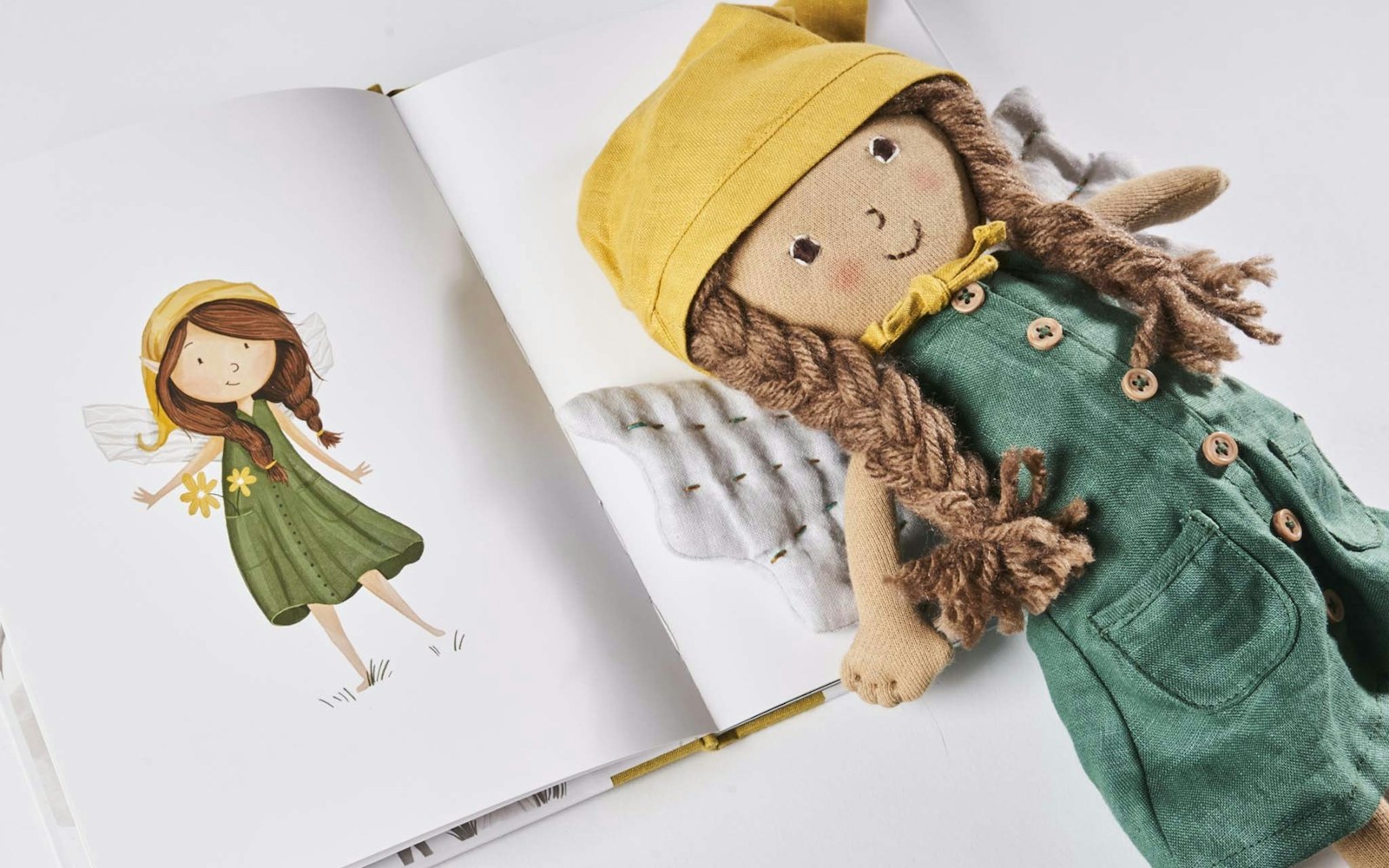
If you have lost track of a doll’s materials, date, maker, repairs, ownership history, or image permissions, create a dated, object-specific record as soon as possible. For a maker, that means documenting the figure at completion. For a collector, it means recording the object when it is acquired, before details are separated from the receipt, packaging, certificate, or correspondence.
A useful provenance file does not need to be elaborate. It needs a unique object ID, a clear description, photographs, supporting paperwork, and a backup copy. The level of detail should match the object: one detailed file for a one-off doll, consistent records for every example in a small edition, and clear attribution for every meaningful contributor to a collaborative textile figure.
What provenance documentation can—and cannot—establish
Provenance documentation is a chain of supporting records about an object’s creation, identification, ownership, alterations, and related history. It can help connect a doll to a maker, a date range, an edition, a transaction, a repair, or a previous photograph. It can also preserve information that may otherwise disappear when a maker retires, a collection changes hands, or a label becomes detached.
Documentation is not the same as independent verification. A certificate, signature, edition number, receipt, photograph, or maker’s statement may support identification, but none automatically proves authenticity, legal ownership, unchanged condition, authorship of every component, or financial value. Treat each item as evidence with a source and date, and distinguish firsthand records from later interpretation.
A record can say, for example, “materials listed by the maker on the accompanying note” or “surface appears faded along the left sleeve; cause not established.” That is more useful than turning an observation into an unsupported conclusion.
Start with a unique object record
Assign an ID that will remain with the file even if the doll’s title, location, or owner changes. A simple format might combine a maker or collection abbreviation with the year and a running number. Avoid using a purchase price, private address, or other sensitive information in the ID.
Record the following basic fields:
- Object ID
- Title, working name, or identifying description
- Principal maker or attributed maker
- Collaborators and their roles, if known
- Creation date or date range
- Date acquired and current location
- Dimensions, measured consistently, and weight if useful and safe to obtain
- Materials and construction notes
- Signature, date, label, maker’s mark, or edition information
- Current condition
- Related documents and image file names
- Last update date
Dimensions should explain what has been measured. Note whether height includes a hat, stand, attached textile, or other projecting element. For soft or articulated figures, avoid compressing the object simply to obtain a smaller measurement. If weight could stress a fragile form or requires moving it, leave it blank and explain why.
Describe construction at a practical level
Record the parts a future reader would need to identify, handle, or compare safely. Depending on the object, this may include the body material, clothing, hair, surface treatments, filling, internal support, fastenings, footwear, accessories, and detachable parts.
Material descriptions do not need to be laboratory analyses. “Painted wooden head,” “embroidered cotton clothing,” or “unidentified synthetic hair” may be appropriate when that is all the available evidence. If a material is inferred rather than confirmed, label it as an observation or attribution rather than a fact.
Distinguishing features can include unusual colour placement, visible stitching, tool marks, joins, seam lines, labels, applied motifs, asymmetry, or wear. Describe what is visible without overstating its significance. A distinctive repair may help identify an object later, even if it was not part of the original construction.
Record the artist signature and date precisely: where they appear and whether they are handwritten, stamped, sewn, printed, painted, or otherwise applied. Transcribe labels, invoices, certificates, and maker notes in a separate field, preserving the original wording, document date, and issuer when known.
Add a condition snapshot
A condition record is a dated observation, not a conservation diagnosis. Note loose elements, broken or weakened fastenings, fading, stains, distortion, abrasion, missing components, insect damage if visible, and previous repairs. Separate what you can see from what you think may have caused it.
For instance, “thread is loose at the right cuff” is an observation. “Damage caused by poor storage” is an interpretation unless it is supported by a reliable record. Material behaviour varies: textiles may crease or fade, painted surfaces may abrade, and mixed-media attachments may respond differently to handling and humidity. Follow the maker’s guidance where available, and seek qualified advice before treating fragile or uncertain materials.
Photograph the doll and its identifying details
A repeatable image set is one of the most useful parts of handmade doll provenance documentation. Use consistent lighting and background where possible, and link every file to the object ID.
A basic set should include:
- Full front, back, and both side views
- The top and underside where they are accessible without risk
- A scale reference, such as a ruler placed beside rather than against a fragile surface
- Close views of the face, hands, feet, clothing, unusual joins, and other identifying construction details
- The signature, date, label, maker’s mark, and edition number
- Accessories and detachable parts photographed separately and with the object
- Attached certificates, labels, or other documents photographed clearly enough to read
Include the image date and photographer in the record. Keep original files, not only compressed or edited versions, and create working copies for cropping or publication. Do not retouch, paint over, remove, or digitally reconstruct features that matter for identification. If an image has been adjusted for brightness or colour balance, retain the original and record the adjustment.
Photograph concealed or vulnerable details only when it is safe. Do not force joints, remove clothing, pull at hair, detach accessories, or dismantle a figure merely to complete the set. If a detail cannot be photographed without risk, note that limitation. A partial but safely made record is preferable to damage caused by documentation.
Record image permissions separately
An image file and the right to publish it are not the same thing. Add a permissions field that states, as far as known:
- Who made or supplied the image
- Who owns the relevant copyright or usage rights, if known
- Where the image may be used
- Required credit wording
- Whether cropping, colour adjustment, or other edits are allowed
- Whether reposting, commercial use, or onward licensing is restricted
- The date and terms of any permission
Keep permission records with the object file but do not publish private contact details. If a collector supplies photographs for a catalogue, website, or social post, confirm the permitted use rather than assuming that supplying the file grants unrestricted publication. Do not upload high-resolution artwork images or ownership documents publicly without appropriate permission and privacy review.
Record makers, collaborators, and editions
A signature may identify a principal maker, but it does not necessarily document every stage of production. List collaborators by role when known. Relevant roles may include sculpting, sewing, embroidery, dyeing, painting, pattern design, finishing, or the creation of commissioned components.
This matters particularly for collective or processional textile figures, banners, and related works made by many stitchers. Preserve the project name, date, contributor list, and relationship between the individual object and the wider work. If the contributor list is incomplete, say so. Do not silently assign every element to the person whose name appears on a label.
For a small edition, record the stated edition size, the individual number, production date, numbering format, and status. Note whether the object is a prototype, artist’s proof, variant, test piece, or unnumbered example. Keep the same fields for every example so differences are visible rather than lost in inconsistent descriptions.
If an edition record contains a correction or discrepancy, preserve the earlier entry and add a dated explanation. Do not overwrite an old number or description without leaving a change history.
Treat certificates as supporting records
An art doll certificate of authenticity should correspond to the object it describes. Check the name or title, maker or issuing party, date, edition information, signature or mark where relevant, and any identifying description. Record when and from whom the certificate was received.
A certificate supports the file; it does not automatically establish authenticity, legal title, condition, or value. If the certificate conflicts with the object, invoice, label, or maker’s records, preserve the discrepancy and seek clarification rather than standardising the information yourself.
Preserve transactions, transfers, and repairs
Keep receipts, invoices, commission agreements, certificates, packing documents, correspondence, and dated photographs in the object’s file. A receipt may support a purchase history, but it should not be treated as independent proof of authorship or authenticity unless its context is known.
For each ownership transfer, record:
- Date of transfer
- Previous and new owner or institution, using only the details needed for the record
- Whether the transfer was a sale, gift, bequest, loan, or another arrangement
- Documents supporting the transfer
- What was handed over, including certificates, accessories, and digital records
- Any restrictions on images, publication, or future handling
Protect private addresses, identity documents, personal phone numbers, and sensitive transaction details. A broadly shared identification file can omit information that is needed only for a private sale or institutional record.
Repairs and alterations deserve their own dated entries. Note who carried out the work, why it was requested, what was done, and which materials were added, replaced, or removed. Add before-and-after photographs when available. Distinguish original construction from later restoration, replacement, modification, or routine handling.
A missing receipt or undocumented period should remain an uncertainty. Use wording such as “ownership history not recorded between these dates” rather than filling the gap with an assumption.
Store, back up, and update the file
Build a stable folder around the object ID. One practical structure is:
01-recordsfor descriptions, transcriptions, and change logs02-images-originalfor unedited photographs03-images-workingfor resized or publication copies04-permissionsfor image-use information05-transfersfor receipts and ownership documents06-repairsfor treatment notes and before-and-after images
Use consistent file names that include the object ID, subject, and date. For example, a signature photograph might be named with the ID, “signature,” and the capture date. Keep readable copies of certificates and receipts rather than relying on a single physical document or an application that may no longer be available.
Maintain at least one backup in a separate location, and check periodically that files open correctly. No storage method guarantees permanent preservation, so more than one location and a readable copy are sensible safeguards. Keep a short change log noting the date, amendment, and person who made it.
Review the record after a repair, move, new attribution, newly discovered document, or change in image permission. When ownership changes, provide the agreed provenance materials, state what was transferred, and retain a dated handover record where appropriate.
Account for digital source material honestly
Patterns, reference images, labels, and promotional materials may be generated or altered with digital tools. The documentation issue is not to make an unsupported judgment about how something was made. It is to record the source and editing history accurately.
If a pattern or image was supplied by another person, downloaded from a licensed source, generated with a digital tool, or materially edited, note that origin where relevant. Keep the original file, the editing date, and any permission or licence information. Do not present uncertain source material as wholly handmade, and do not use an online image as evidence of authorship, date, or ownership without checking its context and rights.
Common documentation mistakes
- Recording only the front view and omitting backs, labels, undersides, or construction details.
- Treating a signature, certificate, receipt, or edition number as independently verified proof.
- Overwriting the original description after a repair or reinterpretation.
- Assigning every part of a collaborative figure to one named maker.
- Publishing private ownership details or high-resolution artwork images without permission.
- Forcing joints, removing clothing, or dismantling a fragile figure to obtain photographs.
- Guessing a material, date, ownership period, or cause of damage instead of marking it uncertain.
- Keeping the only copy of a certificate, receipt, or image on one device or in one physical location.
- Treating a digital image found online as evidence without recording its source and rights.
Provenance file at a glance
Use this short checklist for a final review:
- Object ID and basic description completed
- Maker, collaborators, signature, date, and edition details recorded
- Creation date or date range and current location noted
- Materials, construction, dimensions, accessories, and condition described
- Full image set and detail photographs linked to the object ID
- Original image files retained with working copies
- Receipts, certificate, correspondence, and transfer history attached or referenced
- Repairs and alterations distinguished from original construction
- Image rights, credit requirements, privacy limits, and permitted uses stated
- Uncertainties and undocumented periods identified clearly
- Backup made in a separate location
- Latest update and any change history recorded
A proportionate provenance system is easier to maintain than a perfect one that is never completed. For a one-off doll, begin with one detailed record and a safe image set. For a small edition, repeat the same fields for every example. For a collaborative textile figure, preserve the contributor and project history alongside the individual object record. The aim is not to manufacture certainty, but to keep the available evidence, limits, and changes visible over time.