Care & Display
Five Mistakes That Damage Collectible Plush Dolls (And How to Fix Them)
Avoid the five most common errors that collectors make with plush toys—direct sunlight, plastic bags, overstuffing, overhandling, and pest neglect—with practical corrective measures.
By Lena Park
· 6 min read
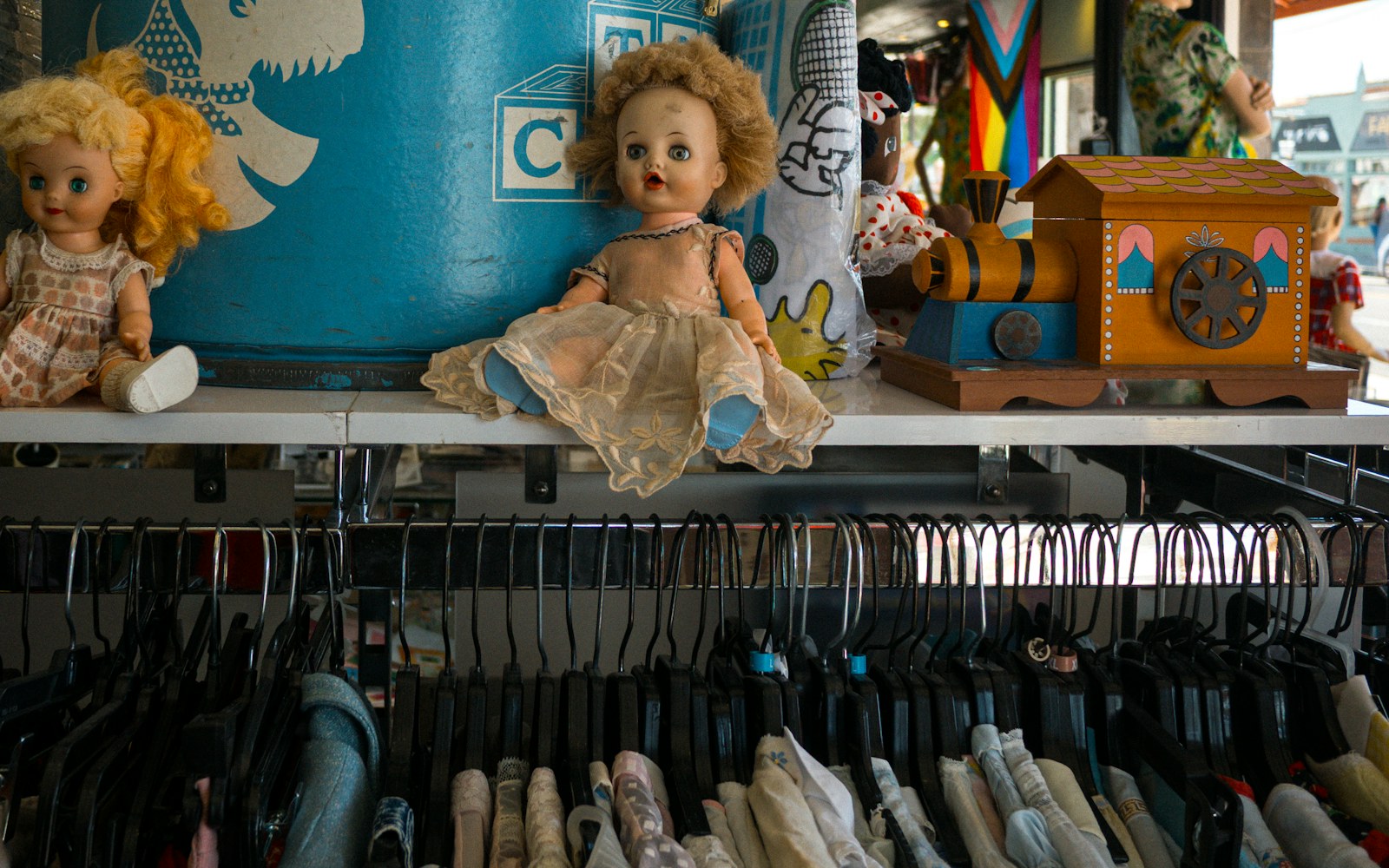
If you collect vintage plush dolls—beanie babies, Steiff, or any treasured stuffed animal—you probably worry that your storage or handling methods are causing hidden damage. The good news is that the most common mistakes are well understood and often reversible with a few adjustments. Here are the five errors to correct today.
1. Direct Sunlight: The Silent Color Fader
The mistake: Displaying plush dolls in windows, under skylights, or anywhere that receives strong natural or artificial ultraviolet (UV) light. The effect: UV radiation can cause dyes to fade unevenly, fibers to yellow, and the pile to become brittle over time. This damage is cumulative and often goes unnoticed until the doll’s colors have shifted noticeably. The fix: Move dolls to shelves that are out of direct light. If your display area has windows, apply UV-filtering film to the glass. Alternatively, rotate which dolls you display every few months so no single piece receives prolonged exposure. A caveat: Synthetic fibers (e.g., polyester) may react differently than natural ones (wool, mohair). If possible, test a hidden area—such as under a seam—by covering it for a few days to see if any color change occurs. Not all fading is reversible, but preventing further exposure is always worthwhile.
2. Sealed Plastic Bags or Tupperware: The Mold Trap
The mistake: Storing plush dolls in airtight containers—ziplock bags, plastic bins with tight lids, or vacuum-sealed bags—without ventilation. The effect: Trapped moisture creates an environment where mold, mildew, and bacteria thrive. Musty odors become permanent, and mold can eat into fibers, causing discoloration and structural weakness. The fix: Use breathable storage options such as cotton garments bags, white unbleached pillowcases, or acid-free archival boxes. Place silica gel packets inside to absorb excess humidity. Replace silica gel every few months, especially in humid climates. A caveat: Even the best silica gel has limited capacity; monitor the humidity of the storage room with a hygrometer. Avoid vacuum-sealing entirely—it compresses fibers and can leave permanent creases, besides trapping moisture.
3. Using Acid-Free Tissue Incorrectly
The mistake: Wrapping or stuffing dolls with tissue that is not genuinely pH-neutral, or using it too tightly. The effect: Tissue that contains lignin (a component of wood pulp) may cause acid burn—yellowing or browning of adjacent fibers. Overstuffing can distort the doll’s shape or create hard creases that become permanent. The fix: Use only archival-quality, lignin-free tissue. Loosely pad the doll rather than tightly wrapping or cramming tissue inside limbs. Never use colored or printed tissue, as inks can transfer. A caveat: The acidity of tissue can change over years; check the tissue annually by looking for yellowing or a sour smell. When in doubt, replace it. Even correctly labeled ‘acid-free’ products may have borderline pH; test with a pH pen if you are unsure.
4. Overhandling and Unclean Hands
The mistake: Frequently touching, hugging, or displaying plush dolls in high-traffic areas where they are exposed to repeated contact. The effect: Oils, dirt, and sweat from hands are absorbed into fibers, leading to yellowing and stiffening. These residues also attract pests such as carpet beetles and clothes moths, which feed on organic matter. The fix: Always handle dolls with clean, white cotton gloves. Display them inside glass-front cabinets or vitrines to reduce dust and contact. Limit physical interaction to occasional, careful inspection. A caveat: Vintage plush dolls with fragile seams or brittle fabrics may suffer from even gentle handling. In such cases, consider storing them in a padded box and only viewing them by lifting the box lid.
5. Moth and Pest Damage
The mistake: Ignoring pest prevention or using mothballs (paradichlorobenzene or naphthalene) directly on the doll. The effect: Moth and beetle larvae chew holes in fibers and leave webbing or frass. Mothballs leave a toxic residue that can damage materials and is hazardous to humans and pets. The fix: Keep pests away with natural deterrents such as cedar blocks or lavender sachets placed near the dolls (not directly touching them). For new acquisitions, freeze them in a sealed bag for 48 hours to kill latent eggs, then thaw in the bag to avoid condensation. A caveat: Freezing may cause fiber brittleness in some vintage or fragile plush; test on a less valuable piece first. Cedar and lavender are not guaranteed to deter all infestations—if you have an active problem, consult a pest-control expert who specializes in textiles.
Quick-Reference Table: Five Don’ts and Their Better Alternatives
| Mistake | Why It Hurts | Better Approach |
|---|---|---|
| Direct sunlight | Fades and weakens fibers | UV-filtered shade, rotate display |
| Airtight plastic | Traps moisture = mold | Breathable cotton bag + silica gel |
| Wrong tissue use | Acid burn or creases | Archival lignin-free tissue, loose padding |
| Frequent handling | Oils and dirt build-up | White cotton gloves, glass display |
| Mothballs on plush | Toxic residue damage | Cedar/lavender sachets, freeze new items |
How to Safely Clean Surface Dirt
Before attempting any cleaning, remember that vintage plush is often fragile and irreplaceable. Surface cleaning only is recommended for most pieces.
- Gentle brushing: Use a soft, clean toothbrush or a makeup brush to lift loose dust and dirt from the surface. Work in one direction to avoid matting the pile.
- Spot cleaning for light soiling: Dampen a white, lint-free cloth with water (barely damp—not wet) and a tiny amount of mild soap (not detergent). Blot the stained area—do not rub, as rubbing can spread the stain or abrade fibers. Test on an inconspicuous spot first.
- Avoid submerging: Unless you know for certain that the doll’s materials are water-safe (rare for vintage pieces), do not immerse it in water. Submerging can damage internal armatures, loosening stuffing and causing rust on metal parts.
- Drying: After spot cleaning, let the doll air-dry in a well-ventilated, shaded area. Never place it on a radiator, in direct sunlight, or use a hairdryer. Heat can shrink or warp fibers.
A Caution on Cleaning
Beyond surface brushing and careful blotting, cleaning becomes risky. Yellowing from age or smoke is often permanent; stains may set deeper when wet. If you are unsure, consult a professional rather than experimenting.
When to Consult a Professional Restorer
Some issues are beyond the scope of home care. Professional textile conservators (ideally with museum training) can handle:
- Stable tears or broken seams that require mending
- Broken internal armatures (common in older plush with wire skeletons)
- Mold that has penetrated deep into the stuffing
- Dolls of significant monetary or sentimental value where you want minimal risk
Before engaging a restorer, ask for references and clarify their approach. Will they repaint missing fur? Replace stuffing? Each intervention changes the doll’s original state, and restoration is not reversible. Always photograph the doll (including close-ups of damage) and obtain a written estimate. Keep records of any treatments applied.
Bottom line: Most plush doll damage can be prevented with these five simple corrections. By controlling light, moisture, handling, and pests, you give your collection the best chance of lasting for years to come.