Collector's Guide
How to Assess a Handmade or Small-Run Doll Before You Buy
Learn how to evaluate handmade dolls with a repeatable evidence check that separates visual appeal from construction, condition, authenticity, and documentation.

By Lena Park
· 13 min read
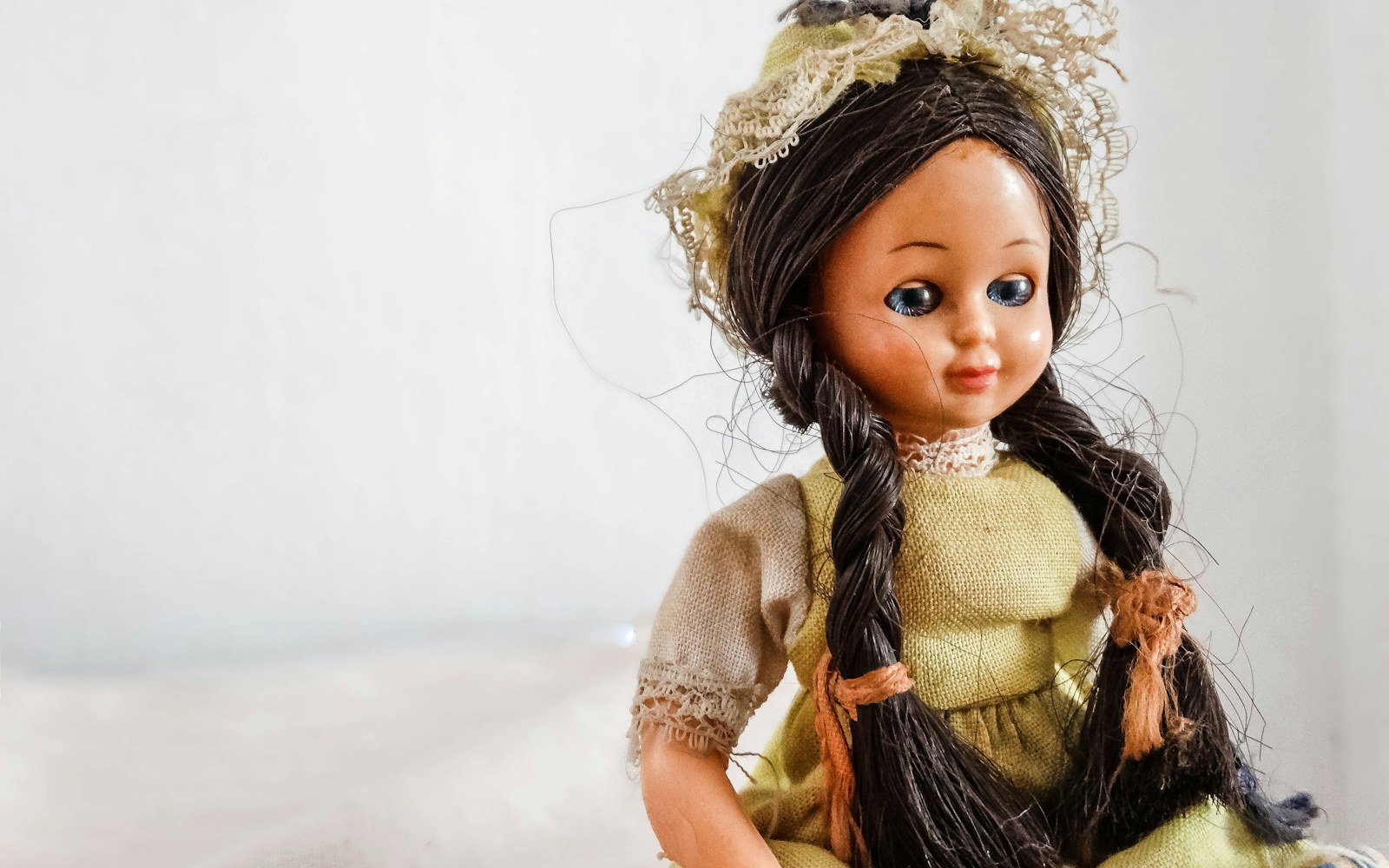
A handmade or small-run doll can look extraordinary in photographs and still arrive with uncertain materials, inconsistent finishing, weak construction, or incomplete provenance. The most reliable way to evaluate one is not to judge the image alone, but to work through the same evidence check each time.
Separate four questions: does the doll appeal to you, is it well made, is its condition accurately described, and is its identity or history adequately documented? Those questions overlap, but they are not interchangeable. A striking face does not prove stable joints. A signature does not prove authenticity. A certificate does not reveal hidden damage.
Photographs are useful for comparison and for identifying questions. They cannot fully verify weight, smell, flexibility, hidden damage, scale, surface feel, or the stability of a join. If the material, condition, edition, maker, included parts, or repair history remains unclear, pause before buying and request evidence.
Start with a verification threshold, not a visual impression
Before contacting a seller, decide what information you need in order to make a responsible purchase. For a one-of-a-kind doll, that may include clear material information, current condition photographs, the maker or workshop attribution, and a description of repairs or alterations. For a numbered small run, it may also include edition information, markings, certificates where applicable, and confirmation of which clothing and accessories belong to the original object.
A useful decision rule is simple: do not buy until unresolved uncertainties are either documented, reflected in your decision, or knowingly accepted. “It looks fine” is not a substitute for knowing what is included or whether a visible line is an intentional seam, a casting mark, a crack, or a repair.
1. Build a complete view of the doll
Start by asking for images that show the object as an object, rather than as a portrait. Request:
- Full front, back, side, top, and underside views
- Close-ups of the face, hands, feet, seams, joins, hairline, clothing closures, and marked or repaired areas
- A scale reference, such as a ruler or a familiar object, alongside the doll
- Confirmation of the stated height, proportions, and included parts
- Current, dated images if the listing is old or the doll is being sold used
The underside deserves particular attention. It may show an opening, maker’s mark, attachment method, wear, unfinished material, or evidence that the construction differs from the listing description. Ask for views beneath shoes, hats, wigs, removable clothing, and accessories when those areas are relevant to condition or attribution.
Look critically at how the images were made. Heavy filters can alter color and hide surface changes. Reflections may conceal dents or unevenness. Crops can omit hands, feet, closures, or the back of the head. Dramatic lighting may make texture appear richer while obscuring pinholes, lifting paint, or changes in sheen. Missing angles are not proof of a problem, but they are a reason to ask a specific question.
A scale reference is especially important for collectible figures. Stated height may exclude a hat, shoes, or a base, while proportions can be difficult to judge without context. If the doll is sold with furniture, clothing, or miniature objects, confirm which parts are included and whether they were made for that doll.
2. Inspect construction and finishing
A practical art doll quality checklist should examine construction separately from aesthetic preference. You may love an intentionally rough or eccentric surface; that does not prevent you from asking whether the roughness is deliberate, stable, and complete.
Seams, joins, and surfaces
Inspect seams and joins for consistency with the material and the design. Ask whether they are intentional, even, and stable. Look for gaps, warping, rough edges, exposed substrate, pinholes, mold lines, lifting paint, overspray, unsealed areas, and abrupt changes in surface texture.
For a resin doll inspection, visible casting marks need interpretation rather than automatic condemnation. Some marks may be part of the production process or hidden by later assembly; others may indicate poor cleanup, damage, or a repair. Request close-ups and ask the seller to identify what each mark represents. Resin behavior also depends on the particular formulation, construction, handling, and storage environment, so a photograph cannot establish long-term durability or condition by itself.
Check transitions between materials. A head attached to a body, a shoe joined to a leg, a textile costume fitted over a sculpted form, or an accessory attached to a hand should appear purposeful. Uneven transitions may be a stylistic choice, but they may also reveal incomplete finishing or strain at the join.
Paint and surface details
Examine paint edges, facial symmetry, small details, and changes in finish. Look for paint that appears to stop abruptly, pool in recesses, rub away at contact points, or sit on an unprepared area. A handmade surface will not necessarily be perfectly uniform, and small differences may be part of the object’s character. The relevant question is whether the finish appears intentional and stable rather than merely attractive from a distance.
Ask whether the photographed color is accurate. Lighting and camera processing can change skin tones, fabric color, and surface sheen. If color matters to your decision, request an additional image in neutral, even light rather than relying on a single edited photograph.
Hair, wigs, and rooted fibers
Inspect the hairline, attachment, density, and styling. For rooted hair, ask whether fibers are secure and whether loose areas or exposed sections are present. For wigs, check the fit, edge, fastening method, and whether the style stays in place during ordinary handling. A carefully styled photograph does not show whether a wig slips, whether fibers are shedding, or whether a replacement was used.
Hair is also part of the object’s condition record. Ask whether it has been cut, rerooted, restyled, glued, or replaced. These changes may be acceptable to one collector and undesirable to another, so they should be disclosed rather than inferred.
Clothing, closures, and accessories
Examine hems, seams, fasteners, shoes, hats, and other removable parts. Ask whether closures function without forcing them and whether the clothing was made for this doll or substituted later. Check for missing snaps, loose threads, stains, distortion, brittle elastic, and accessories that do not fit securely.
Do not assume that every item shown in a photograph is included. Confirm the complete contents in writing, including stands, certificates, alternate hands, wigs, shoes, clothing, props, and original packaging.
Balance, movement, and stability
Ask whether the doll stands independently, requires a stand, or is intended only for display in a seated or supported position. If it has joints, request information about movement, looseness, stiffness, and unusual sounds. Do not force a joint based on a photograph or a general statement that the doll is articulated.
Ask the seller to demonstrate balance, joint movement, or accessory fit in a short video when those features are important. A video can provide more information than a still image, but it still cannot reveal every hidden condition issue. Stability also depends on the specific construction and handling environment.
3. Separate handmade variation from damage or incomplete work
Handmade work often includes small differences in sculpting, paint, textile placement, hair, and proportions. Those differences are not automatically defects. A collector may value evidence of handwork, while another may prefer a more uniform finish.
The more useful distinction is between variation and a condition or construction concern. Ask whether the issue affects appearance only, or whether it may affect stability, safety, durability, completeness, or future repair. Examples that deserve clarification include:
- Cracks, detached parts, or distorted components
- Unstable joints or missing fasteners
- Stains, discoloration, or exposed substrate
- Lifting paint or unsecured surface material
- Unfinished edges or open seams where completion was expected
- Missing clothing, accessories, certificates, or edition markings
- Repairs that alter the original construction
Ask the seller to identify every known flaw and explain when it appeared. Was it present when the doll was completed, developed during ownership, or repaired later? A repair is not automatically a reason to reject a doll, but it is part of the object’s history and should be reflected in the description.
Keep two notes while inspecting. The first is for aesthetic preferences: uneven blush, a style of seam, a particular hair density, or a surface treatment you simply do not like. The second is for objective uncertainties: a possible crack, loose joint, missing part, or unexplained modification. This prevents personal taste from being mistaken for a construction failure, and prevents enthusiasm from minimizing a material concern.
4. Verify materials, edition, and provenance
Request a written description of the material or materials used, the approximate production date, the maker or workshop attribution, the production method where relevant, edition information, and the parts included in the sale. If the seller does not know a material precisely, that uncertainty should be stated rather than replaced with a confident guess.
For small-run work, ask how the edition is identified. This may include a number, signature, mark, certificate, or maker documentation, but no single feature proves authenticity, quality, age, or attribution. The object, markings, stated scale, edition information, packaging, and documentation should be consistent with one another.
Clarify whether the doll is:
- Original and complete
- Modified by a later owner
- Recast or reproduced from another source
- Assembled from mixed sources
- Sold with replacement clothing, hair, shoes, or parts
- Repaired, restored, or repainted
These distinctions matter for collectible figure authenticity and for future ownership records. A doll can remain appealing after modification, but a modified object should not be represented as unchanged original work.
What counts as provenance?
Doll provenance is the supporting record of where an object came from and how it passed between owners. Depending on the doll, useful records may include purchase receipts, certificates, maker documentation, prior ownership details, repair invoices, correspondence, or photographs showing the object before a modification.
Use provenance as supporting evidence, not conclusive proof. A certificate may be separated from its original object. A signature may be difficult to interpret or copied. Branded packaging may be replaced. Documentation is strongest when it matches the doll’s markings, scale, materials, edition details, and condition.
If a seller cannot provide ownership or purchase documentation, that does not by itself establish a problem. It does mean the limitation should be recorded and considered alongside the other evidence.
5. Use a repeatable purchase decision
Record separate observations for appearance, construction, condition, materials, completeness, documentation, and seller disclosure. You can use a simple table or notes app:
| Area | What to record |
|---|---|
| Appearance | What appeals to you and what does not |
| Construction | Seams, joins, balance, joints, closures, and surface finish |
| Condition | Damage, wear, stains, repairs, and modifications |
| Materials | Stated materials and any uncertainty |
| Completeness | Clothing, accessories, stand, certificates, and packaging |
| Documentation | Maker, date, edition, purchase history, and repair records |
| Disclosure | What the seller answered, demonstrated, or failed to clarify |
Ask focused questions rather than relying on broad assurances such as “excellent condition,” “like new,” or “one of a kind.” For example:
- What material is used for the head, body, hands, and feet?
- What exactly is included in the sale?
- Are there any cracks, repairs, stains, loose parts, or missing pieces?
- Has the doll been repainted, rerooted, restyled, recast, or modified?
- Can you show the underside, joins, hairline, closures, and any markings?
- Does it stand independently, and do the joints hold their positions?
- What documents support the maker, edition, and ownership history?
- How will the doll be packed, and who is responsible if it is damaged in transit?
Set a stop point. Do not buy until unresolved issues have been documented, knowingly accepted, or made part of the decision. If the seller avoids specific questions, refuses reasonable current images, or changes the description during the conversation, treat that as relevant information about the transaction even if the doll itself remains visually compelling.
Confirm the transaction terms
Before payment, save the listing and written messages. Confirm the return period, acceptable reasons for return, responsibility for shipping damage, packaging method, insurance where offered, and whether modifications affect return eligibility. Do not assume that a return policy covers every discrepancy or that shipping insurance resolves a dispute automatically.
For a used doll, preserve the listing, messages, photographs, agreed condition, payment record, and shipping details. These records create a practical account of what was represented and what was agreed.
6. Inspect and document the doll on arrival
Open the package carefully and document the condition before changing the doll’s clothing, hair, joints, or accessories. Photograph the outer package, labels, seals, packing materials, and the doll from several angles. If there is visible shipping damage, photograph it before discarding the packaging.
Compare the received object with the saved listing and messages. Check:
- Color, scale, markings, and overall identity
- Materials and included parts
- Clothing, hair, accessories, and stands
- Stated repairs or modifications
- Cracks, dents, stains, loose parts, and surface changes
- Balance, closures, and joint condition, where appropriate
Record the arrival condition promptly. If something differs from the listing, contact the seller within the applicable return or claims window and include clear photographs. Avoid making repairs, cleaning surfaces, restyling hair, or altering packaging before the seller has responded if those actions could affect a return or claim.
Store the purchase record with the material information, edition details, provenance, repairs, modifications, and ownership date. Over time, this record becomes part of the doll’s practical history and can help distinguish later changes from the condition at purchase.
Common mistakes when evaluating handmade dolls
Judging only the face
A compelling expression can dominate the decision, but it does not answer questions about the body, joins, hair, clothing, or stability. Inspect the whole object.
Treating polish as proof of quality
Studio lighting, styling, and retouching can make a surface appear more consistent than it is. Request plain, current views and close-ups.
Assuming handmade means flawless or flawed
Handmade work may contain variation without being poorly made. Conversely, a handmade label does not excuse unstable construction, undisclosed damage, or incomplete finishing.
Treating a certificate or signature as conclusive
Documentation can support an attribution, but it should agree with the object and the rest of the listing. No single paper, mark, or package can answer every authenticity question.
Accepting “excellent condition” without a definition
Ask what the seller means by that phrase. Condition descriptions are useful only when tied to specific observations.
Forgetting what is not shown
A missing back view, underside, hairline, or closure may be an oversight, but it remains an unanswered question. Do not fill gaps in the evidence with assumptions.
Quick pre-purchase checklist
- Full front, back, side, top, and underside views received
- Close-ups of the face, hands, feet, joins, hairline, closures, and markings received
- Scale reference and stated measurements confirmed
- Materials, approximate date, maker, edition, and included parts documented
- Seams, joins, casting or surface flaws, paint edges, hair, balance, and joints assessed
- Handmade variation distinguished from damage or unfinished work
- Repairs, modifications, recasting, replacement parts, and provenance clarified
- Certificates, signatures, packaging, and seller descriptions treated as supporting—not conclusive—evidence
- Return terms, packaging, shipping-damage responsibility, and insurance clarified
- Listing, messages, payment record, and agreed condition saved
Stop and ask before buying
What is it made from? What exactly is included? Which flaws, repairs, or modifications are known? Can the seller show the underside, joins, hairline, closures, and scale? What documents support the maker, edition, and ownership history? What happens if the doll arrives different from the listing?
The goal is not to eliminate every uncertainty or impose one definition of quality. It is to know which uncertainties remain, which are matters of taste, and which could affect the object’s construction, condition, completeness, authenticity, or future care. That distinction is the foundation of how to evaluate handmade dolls with care.