Collector's Guide
How to Create a Provenance Record for a Handmade Art Doll
Build a reliable art doll provenance record from observable facts, retained documents, dated photographs, and clearly marked uncertainty.

By Lena Park
· 10 min read
Start with a record, not a conclusion
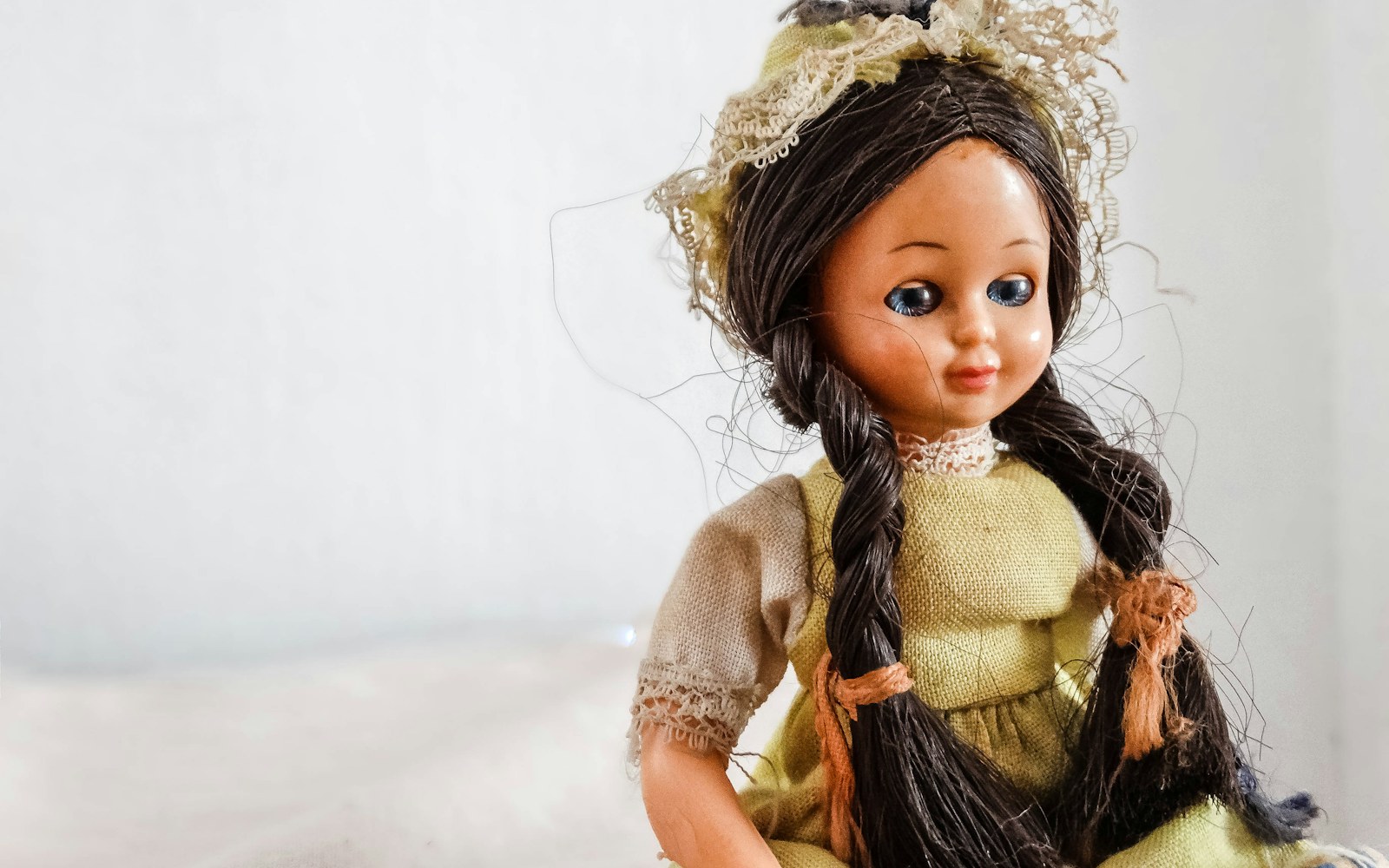
If you have acquired a handmade figure with no clear maker, title, date, or ownership history, you can still begin documenting it. Assign the object a neutral record ID, describe what you can directly observe, gather every available supporting document, and mark uncertain information as uncertain.
An art doll provenance record is a structured account of an object’s reported and documented history. It is not automatically proof of authorship, authenticity, ownership, condition, or value. Its purpose is to preserve evidence and make the basis for each claim clear.
Start by recording:
- a unique record ID;
- the date the record was created;
- where and how the object entered your collection;
- who created the record; and
- the current location of the object and its associated files.
A useful ID might be AD-2025-004. Use the same ID on the physical file, digital folders, photographs, receipts, and correspondence. If the figure is unnamed, give it a neutral working description such as “small articulated figure in blue clothing” rather than inventing a title.
Build the core object record
Create one main record for the figure, then attach evidence to it. The record should distinguish information observed on the object from information supplied by another person or document.
Essential fields
Record the following where known:
- maker or attributed maker;
- title or neutral working description;
- creation date or date range;
- place of making, if documented;
- materials and visible techniques;
- height, width, depth, and weight when useful and safe to obtain;
- construction details, such as joints, armatures, fastenings, moulded parts, stitched components, or assembled elements;
- clothing, shoes, wigs, props, stands, and other included components;
- signatures, labels, stamps, inscriptions, edition marks, and numbered tags;
- one-of-a-kind, edition, reproduction, or unknown status; and
- visible condition observations.
Describe what is visible without making an unsupported technical or historical conclusion. For example, “painted surface over an apparently rigid body” is safer than identifying a material that has not been verified. “Hand-stitched garment with metal fasteners” records an observation without claiming who made the clothing or when.
When identity is unclear, use terms such as maker unknown, attributed to, possibly after a published design, or unidentified handmade figure. A resemblance to a known style or a historical printed source may be worth recording as a lead, but it does not establish authorship, date, or originality.
Separate observation from supplied information
A simple evidence column can prevent accidental overstatement:
| Entry | Information | Status | Basis |
|---|---|---|---|
| Maker | Unknown | Unknown | No maker mark or supporting document located |
| Date | Circa 1990–2005 | Attributed or estimated | Range supplied by previous owner; not verified |
| Material | Painted textile and rigid components | Observed | Visible without disassembly |
| Ownership | Acquired from a private seller in 2025 | Documented | Dated receipt retained |
The seller’s description, a previous owner’s memory, a maker’s statement, and your own inspection are different kinds of evidence. Keep their wording and source rather than combining them into one confident sentence.
Document editions, one-of-a-kind claims, and changes
Edition information needs particular care. Record an edition number and total edition only when supported by a label, certificate, maker statement, invoice, catalogue entry, or another traceable record. A number written on an object may be relevant evidence, but its meaning still needs to be recorded accurately.
Distinguish among:
- one of a kind, meaning a unique object as stated or documented by the maker;
- reported one of a kind, when the claim comes from a seller or previous owner but is not confirmed by maker records;
- limited edition, when an edition number and total size are documented;
- reproduction or later copy, when that status is specifically documented; and
- unknown, when the available evidence does not establish the category.
Do not infer edition status from appearance. A figure that resembles another may be part of an edition, a later reproduction, a related design, or an independently made object. Historical patterns and printed designs can also be reused or adapted, so resemblance alone does not prove that two objects share a maker or production date.
Keep a modification log
Create a dated log for any repair, repainting, replacement clothing, remounted part, added accessory, cleaning, restringing, or other change. Include:
- the date of the work or the date it was reported;
- the person or service responsible, if known;
- the component affected;
- the wording of the account;
- photographs before and after, where available; and
- documents such as invoices, treatment notes, or correspondence.
Record missing, replaced, or mismatched components without assuming that every difference is damage or unauthorised alteration. A replacement garment may have been made by the owner, supplied by the maker, or present when the object was acquired. If the answer is unavailable, write reported replacement; source and date noted; not verified.
Keep evidence together without treating it as interchangeable
File all supporting material under the same record ID. A provenance folder might contain:
- purchase receipts and invoices;
- correspondence with the seller, maker, or previous owner;
- maker statements;
- certificates of authenticity;
- labels, tags, and packaging;
- catalogue pages or other printed-source references;
- photographs supplied at the time of sale;
- ownership and transfer records; and
- condition or conservation paperwork.
Keeping these items together makes the history easier to review, but it does not make them equivalent forms of proof.
Provenance, authenticity, and certificates
Provenance concerns an object’s reported or documented history: where it was made or acquired, who is said to have owned it, and how it moved between hands. Provenance can be complete, partial, disputed, or absent.
Authenticity concerns whether the object is genuinely what it is claimed to be. A provenance record may support an authenticity assessment, but it does not settle that question by itself.
A handmade doll certificate of authenticity is a document that makes an attribution or authenticity statement. Its value as evidence depends on who issued it, when it was issued, what object it identifies, the wording used, and the scope of the claim. Record the certificate number, date, issuer, object description, signature, and any limitations. Retain the original where possible.
A certificate alone should not be treated as independent proof of authorship or authenticity. Likewise, a receipt is primarily a transaction or custody record. It may contain useful authorship information, but a purchase transaction does not by itself establish who made the figure.
For every claim, record:
- the source;
- the date;
- the exact or substantially accurate wording;
- whether the source is firsthand, supplied by a previous owner, or inferred from the object; and
- what the evidence does and does not establish.
If two accounts disagree, preserve both versions. Note who supplied each account and avoid silently choosing the one that seems most plausible.
Photograph and back up the record
Photographs are essential evidence, but they are not a guarantee of authenticity, future value, insurance acceptance, or conservation safety. They document appearance at a particular time and can help connect later observations to an earlier condition.
Photograph the full figure from the front, back, and sides. Where it is safely accessible, include the top and underside. Add close views of:
- signatures and inscriptions;
- labels, stamps, and edition marks;
- joints and construction details;
- clothing fastenings and detachable parts;
- damage, repairs, stains, or losses;
- included accessories and stands; and
- areas relevant to an attribution or identification question.
Use consistent, even lighting and include a scale when appropriate. Do not force a pose, remove fragile clothing, or handle a delicate figure merely to obtain a particular view. If a component cannot be safely moved, record that limitation.
Use stable filenames such as:
AD-2025-004_front_2025-03-08_v01.jpg
Create a simple image index linking each file to the feature shown. Include the image date, view, lighting or setup notes if relevant, and any visible change from earlier photographs. Retain original-resolution files and make working copies for editing or sharing.
Keep at least two backups in separate locations. A practical arrangement is one working copy, one local backup, and one backup in a different physical location or storage system. Review the backups periodically and maintain a change log when files, captions, or metadata are updated. Store photographs with their captions and supporting documents rather than in an unlabelled image folder.
Use an uncertainty vocabulary
Consistent labels make a record more honest and more useful. Use the following vocabulary:
- Observed: directly visible or measurable without invasive examination.
- Documented: supported by a retained record whose source and date are known.
- Reported: supplied by a seller, maker, previous owner, or another named source.
- Attributed: a considered but unconfirmed maker, date, design source, or classification.
- Probable: the preferred explanation when the basis is explicitly stated, while alternatives remain possible.
- Conflicting accounts: two or more retained sources disagree.
- Not verified: a claim has been made but the supporting evidence has not been established.
- Unknown: no reliable information is currently available.
Use a date range rather than a precise year when the evidence supports only a range. Write materials not verified rather than naming a substance from appearance alone. Write ownership before 2025 unknown rather than treating a seller’s possession as proof of the full ownership history.
One-page provenance worksheet
Copy this template into a paper or digital record and expand it as needed.
Record ID:
Date created / updated:
Recorded by:
Current location:
Object description:
Neutral description, including form, clothing, accessories, and distinguishing features.
Maker and attribution:
Maker unknown / attributed to / reported by / documented by / not verified.
Title or working description:
Creation date or range:
Place of making:
Materials and techniques:
Observed materials and techniques only unless supported by documentation.
Dimensions and weight:
Construction notes:
Joints, fastenings, seams, moulded or assembled components, and other visible details.
Signatures, labels, and inscriptions:
Transcribe carefully; note location and photograph filename.
Edition status:
One of a kind, reported one of a kind, edition, reproduction, or unknown. Include number and total only when supported.
Included components:
Clothing, accessories, stand, packaging, certificates, and other items.
Ownership timeline:
Date, owner or custodian, transaction or transfer evidence, and gaps.
Alterations and repairs:
Date, component, work performed or reported, person responsible, and evidence.
Condition observations:
Describe visible condition without diagnosing material causes.
Evidence list:
Receipts, invoices, correspondence, maker statements, certificates, printed references, labels, and ownership records.
Photographs:
Filename, date, view, and feature shown.
Open questions:
Conflicting accounts:
Backup location:
Next review date:
Limits, handling, and common mistakes
A careful record can preserve evidence without resolving every question. This is especially important for unnamed handmade figures, objects made from mixed materials, and figures influenced by historical printed sources. A record should show what is known, what is claimed, and what remains open.
Photograph and describe before attempting any examination that could affect the object. Do not clean surfaces, add labels or adhesives, disassemble parts, test materials, or remove clothing solely to improve documentation. Fragile paint, textiles, wigs, joints, and applied details may respond differently to handling and environmental conditions. Seek qualified advice when examination, movement, or testing could pose a risk.
Common documentation mistakes include:
- relying on a certificate without recording its issuer, wording, date, or scope;
- copying a previous owner’s certainty into your own record;
- treating a receipt as proof of authorship;
- assigning a maker or date from visual resemblance alone;
- calling an object an edition without support for the number or total;
- omitting repairs, replacement clothing, or added accessories;
- rewriting historical paperwork without retaining the original;
- storing photographs separately from captions and evidence; and
- filling gaps with precise details simply because a form has an empty field.
Acquisition and update checklist
At acquisition:
- Assign a neutral record ID.
- Photograph the object before unnecessary handling.
- Record the seller’s wording accurately.
- Collect receipts, invoices, certificates, labels, correspondence, and packaging.
- Note what is observed and what is merely reported.
- Record unknowns and conflicting accounts.
- Obtain a dated receipt or signed transfer when ownership changes.
- Save original photographs and create the first backup.
Update the record after:
- acquisition or transfer;
- conservation or repair;
- cleaning or alteration;
- sale, donation, or loan;
- discovery of new paperwork;
- a new maker statement; or
- a change in attribution or interpretation.
The strongest collector documentation is not the record that sounds most certain. It is the record that preserves the object’s evidence, keeps documents and images connected, identifies the source of each claim, and makes uncertainty visible.