Care & Display
How to Display Art Dolls and Miniature Figures Safely in Everyday Rooms
Make handmade figures visible and secure in lived-in rooms by choosing the right location, display format, supports, lighting, and maintenance routine.
By Lena Park
· 10 min read
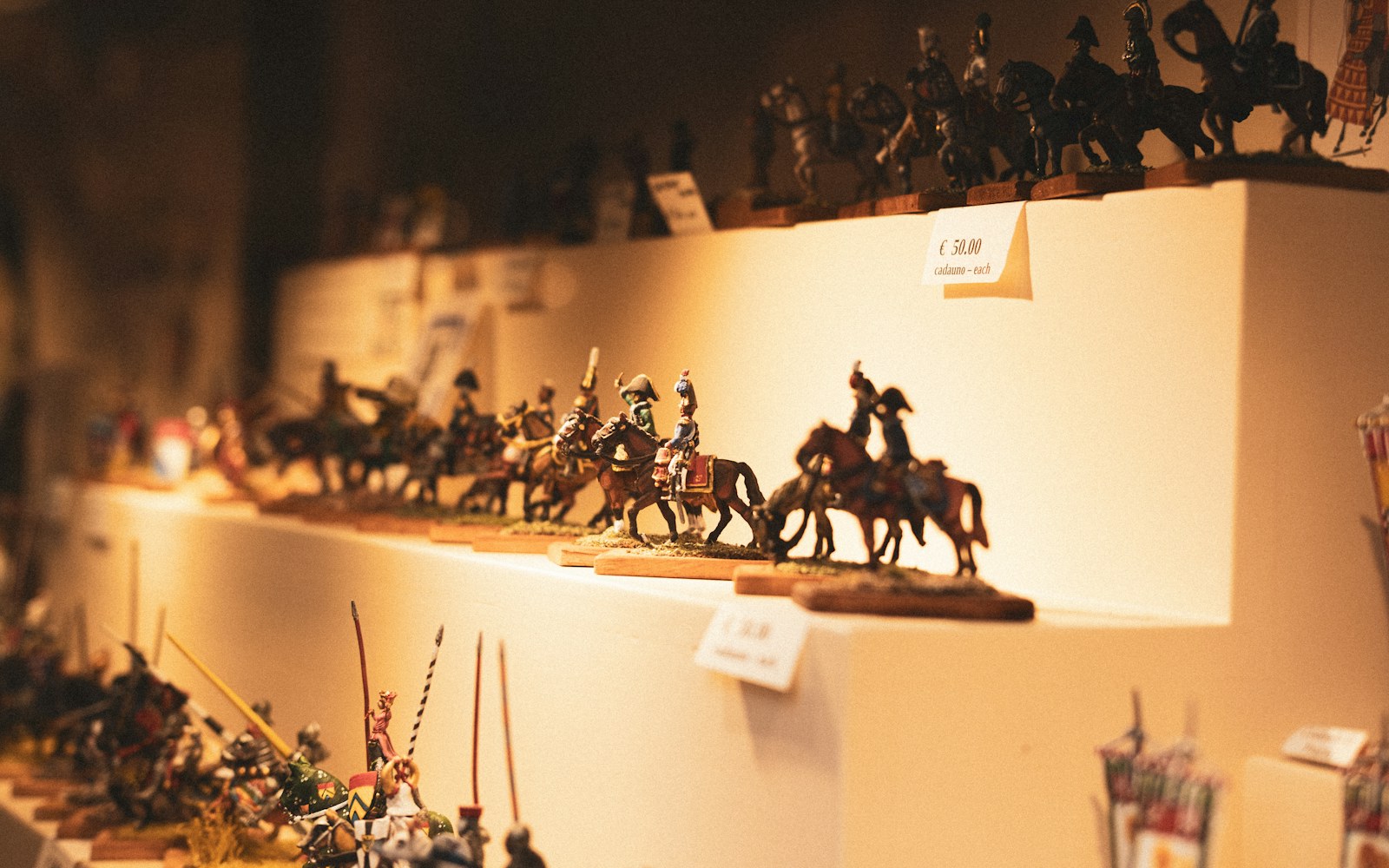
Start with the safest location
Collectors and makers often want to know how to display art dolls safely without making an ordinary room feel like a sealed museum case. The most reliable starting point is a stable, low-traffic, low-heat, low-light-risk position where the figures remain visible and easy to inspect.
Before arranging a display, assess five basic risks: falling, handling, spills or condensation, heat, and light. Then look more closely at the room. Is the surface level? Do doors, curtains, chairs, pets, children, or passing feet come close to it? Could furniture vibrate, tip, or be moved? Are there nearby stairs, radiators, vents, windows, sinks, cooking areas, or damp corners?
A good position has a clear sightline, little vibration, and enough space to dust around the figures. It should also allow you to remove one object without knocking into another. Visibility matters, but so does access: a display that can only be reached by leaning over fragile objects is difficult to maintain safely.
Quick risk check
Before placing a figure, ask:
- Could someone brush against it while walking, sitting, opening a door, or reaching for another object?
- Could it fall from the surface, or could the furniture itself tip or shift?
- Is it near food preparation, an open drink, a sink, steam, condensation, or a leak?
- Is it close to a radiator, heat vent, lamp, appliance, or strong afternoon sun?
- Could a child or pet reach it, pull a cable, or dislodge a prop?
- Can you inspect and remove it without lifting it against another figure?
If the answer to any of these questions is yes, change the location or reduce the risk before completing the arrangement.
Choose a display format that matches the room
The best miniature figure display area is not necessarily the most enclosed one. Each format manages visibility, access, dust, and accidental contact differently.
Open shelves
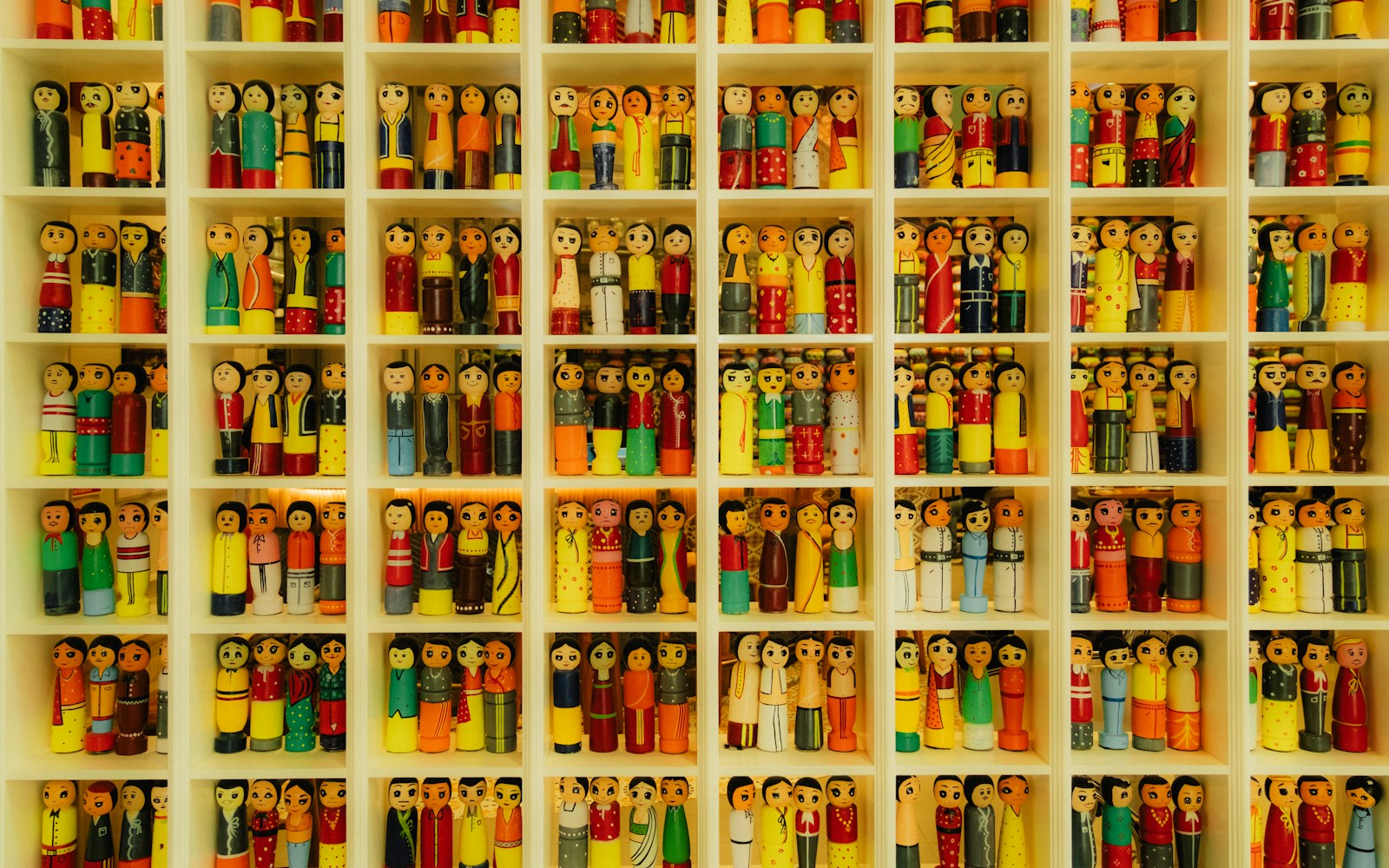
Open shelves are easy to view, photograph, and reach. They also make regular inspection straightforward. Their disadvantages are greater exposure to airborne dust, household contact, sunlight, and accidental knocks. Choose a shelf that is firmly fixed or supported, level, and deep enough to leave space between the figures and the front edge.
Do not fill every available centimetre. Crowding makes dusting more difficult and increases the chance that removing one object will catch a limb, prop, costume, or hairstyle on another. A smaller arrangement with visible gaps is often more stable and easier to care for than a larger scene compressed onto one shelf.
Enclosed cabinets
A cabinet can reduce handling and slow the arrival of dust, but it does not eliminate maintenance risks. The interior still needs cleaning access, appropriate spacing, and protection from heat or condensation. Glass can also create glare and may make it harder to see whether a figure is leaning or accumulating dust.
Check that doors close without touching costumes, hair, accessories, or projecting parts. Avoid placing a cabinet directly beside a radiator, heat vent, damp wall, or strong window exposure. If the cabinet becomes warm, misted, or difficult to inspect, it is not solving the main environmental problem.
Wall ledges
A wall ledge can suit lightweight figures when it is securely fixed and properly supported. It should be away from door swings, stair routes, chair backs, and places where someone might reach up and catch the figures accidentally. Keep the objects well back from the edge, and consider whether the ledge itself could be struck or pulled down.
Wall-mounted displays require attention to both the figure and the furniture. A stable object on an insecure ledge is still an unsafe arrangement.
Temporary and seasonal displays
Seasonal scenes can be enjoyable, but they deserve a higher-risk assessment because they often introduce extra props, visitors, decorations, and changes to household traffic. A snowy miniature village arranged on stairs, for example, should not narrow a route, cover a tread, obstruct a landing, or interfere with a handrail. If every step and safety route cannot remain clear, move the scene elsewhere or remove it.
Treat temporary displays as temporary in practice. Recheck them whenever furniture, lighting, household routines, or seasonal sunlight changes.
Make figures stable without permanently altering them
Start with a level, non-slippery base and enough clearance from the shelf edge. The base should support the figure’s actual centre of gravity, not merely provide a larger-looking platform. Tall, top-heavy, jointed, or lightweight figures may need more careful support than compact, weighted objects.
Discreet removable supports can sometimes help. Depending on the construction, possibilities may include a weighted base, a suitable museum-style removable support, or a clear restraint positioned so that it does not touch a delicate surface. No support method is universally appropriate, and the maker’s care instructions should take priority.
Before attaching anything, consider the figure’s paint, fabric, hair, joints, wires, paper elements, coatings, and finish. Avoid methods that pull on a limb, compress a costume, stain a base, leave residue, catch fibres, or prevent safe removal. Adhesives and tapes deserve particular caution because their interaction with paint, plastics, textiles, paper, and mixed-media surfaces depends on the materials and their condition.
Test the completed arrangement gently rather than forcefully. Look for rocking, sliding, leaning, or contact between neighbouring objects. Recheck stability after moving furniture, adding a prop, opening a cabinet door, or changing the display surface.
Keep a safe shelf-edge margin
A figure should not sit so close to the front edge that a sleeve, tail, prop, or accidental brush can send it over. The required clearance depends on the object’s size, shape, base, and surroundings, so use a visible margin that allows comfortable dusting and removal. If a figure must be placed near the edge to be seen, raise it with a stable platform or choose a deeper shelf instead of accepting a fall risk.
Arrange for visibility and maintenance
Build sightlines from normal standing and seated positions. Not every figure needs to be at the same height. Stable stepped risers can help a smaller figure remain visible behind a larger one, provided the risers cannot slide, overturn, or turn the front row into a fall hazard.
Leave an access route around or between objects where possible. Do not pack a miniature scene so tightly that cleaning requires brushing across faces, hair, painted details, textiles, or fragile furniture. Small-scale kitchens, tables, ornaments, and child-made apartments often contain loose parts that are easy to dislodge and difficult to replace accurately.
Keep food preparation, sinks, steam, open drinks, and frequently handled household items away from displays. A miniature dining table beside a real coffee cup may look visually coherent, but it is exposed to a simple spill and repeated reaching. Domestic charm should not depend on placing fragile objects in the path of ordinary use.
Use safer lighting and room placement
Gentle, indirect room light is usually easier to manage than a bright fixture aimed directly at the display. If you use display lighting, position it so it does not warm the figure, create strong glare, or cast heat onto a cabinet interior. Keep lamps, adapters, and cables where they cannot snag, fall, become hot, or be reached by children or pets.
Direct sunlight is a particular placement risk because exposure can change as the season and time of day change. Keep figures away from strong window exposure, and inspect the display again when the sun’s path shifts. Relocating or rotating an arrangement may reduce uneven exposure, but it does not make direct sun harmless.
Material response varies. Painted surfaces, textiles, paper, plastics, adhesives, and mixed-media parts may respond differently to light and heat, especially when their finishes or construction are uncertain. Follow maker or material-specific guidance when available, and avoid assuming that a method suitable for one figure will suit another.
Also check for radiators, heating vents, appliances, condensation, damp corners, and rapid changes in room conditions. An enclosed cabinet beside a warm window can still become an unsuitable environment.
Adapt the checklist to lived-in rooms
Living rooms
Use stable shelving away from walkways, vents, and frequently moved furniture. Avoid placing figures where a reclining chair, curtain, vacuum cleaner, or sofa cushion can strike them. If the shelf is near a seating area, check the display from the positions people actually use rather than only from across the room.
Bedrooms and small rooms
Favor compact, reachable displays with enough clearance to clean without brushing against the figures. A narrow shelf may work for a few lightweight objects, but it becomes risky when the arrangement requires stacking, leaning, or placing figures directly above a bed, desk, or frequently opened cupboard.
Kitchens and dining areas
Keep figures away from steam, grease, splashes, heat, and table-edge accidents. Even a cabinet can accumulate residues or condensation if it is too close to cooking or washing areas. If the room is the only available location, choose the furthest stable position and keep the arrangement small enough to inspect and clean regularly.
Hallways and stairs
Do not narrow routes or obstruct doorways, landings, steps, handrails, or visibility around corners. Displays in these areas are exposed to passing contact and changing household traffic. Seasonal scenes should be removed or relocated whenever they interfere with movement or emergency access.
Homes with children or pets
Place fragile figures and small parts beyond reach, and secure relevant furniture against tipping. Avoid loose supports that could become accessible hazards. Consider not only whether a child or pet can touch the figure, but also whether a tail, cable, cloth, or dangling accessory could invite pulling.
Mistakes to avoid
- Choosing a beautiful position beside a radiator, sunny window, sink, or frequently used doorway.
- Treating a cabinet as maintenance-free.
- Using an unstable riser or putting a top-heavy figure at the shelf edge.
- Applying tape, adhesive, or putty without checking the surface and maker’s guidance.
- Overcrowding a miniature scene so that objects touch or cannot be removed safely.
- Placing displays on stairs, handrails, or landings where they obstruct movement.
- Directing a hot lamp at painted, textile, paper, or plastic components.
- Cleaning aggressively around joints, hair, loose props, or delicate finishes.
- Ignoring a new lean, sticky surface, flaking paint, corrosion, dampness, or mould-like growth.
Build a weekly and seasonal care routine
Weekly visual check
Look for leaning figures, shifted bases, loose parts, dust buildup, new glare, heat, moisture, or signs of contact. Inspect the shelf, fasteners, cabinet doors, cables, barriers, and furniture as well as the figures themselves.
Clean with the least aggressive method suitable for the object. A gentle dry method may be appropriate as a starting point, but do not force dust into joints, textiles, painted details, openings, or moving parts. If the surface is tacky, flaking, corroded, visibly damaged, or difficult to identify, stop rather than experimenting.
Seasonal relocation checklist
At changes of season, reassess:
- Direct and reflected sunlight at different times of day.
- Heating, ventilation, and nearby appliance use.
- Condensation, damp corners, or open windows.
- Holiday visitors, decorations, and changes in household traffic.
- Furniture moved nearer to the display.
- Whether cables, barriers, or supports remain secure.
Take a simple photograph or make a short note of the original arrangement. Documentation helps identify displaced parts and restore a scene without repeatedly handling every object. For complex miniatures, a photo from the front and one from above may be useful, provided the act of photographing does not require unsafe repositioning.
When to seek material-specific advice
Stop handling and seek guidance from the maker or a suitably informed conservation professional when you notice active damage, flaking, tacky surfaces, corrosion, mould-like growth, broken joints, unexplained staining, or an uncertain finish. The right response depends on the figure’s materials, construction, condition, and environment.
Display safety quick check
- Stable, level base
- Low-traffic location
- No direct sun or nearby heat source
- Protected from spills, steam, and condensation
- Discreet support where needed and appropriate
- Clear sightline
- Enough access for dusting, inspection, and removal
- Secure cables, shelves, and relevant furniture
- Weekly visual inspection
- Seasonal review of sunlight, heating, moisture, and household traffic
Safe display is not a single product or arrangement. It is a repeatable habit of choosing a calm location, allowing room around each object, observing how the room changes, and adjusting before a small risk becomes damage.