Care & Display
How to Display Art Dolls Safely: A Practical Care Checklist
A room-by-room checklist for displaying textile, painted, paper, wood, metal, and mixed-material art dolls while reducing avoidable risks.
By Lena Park
· 9 min read
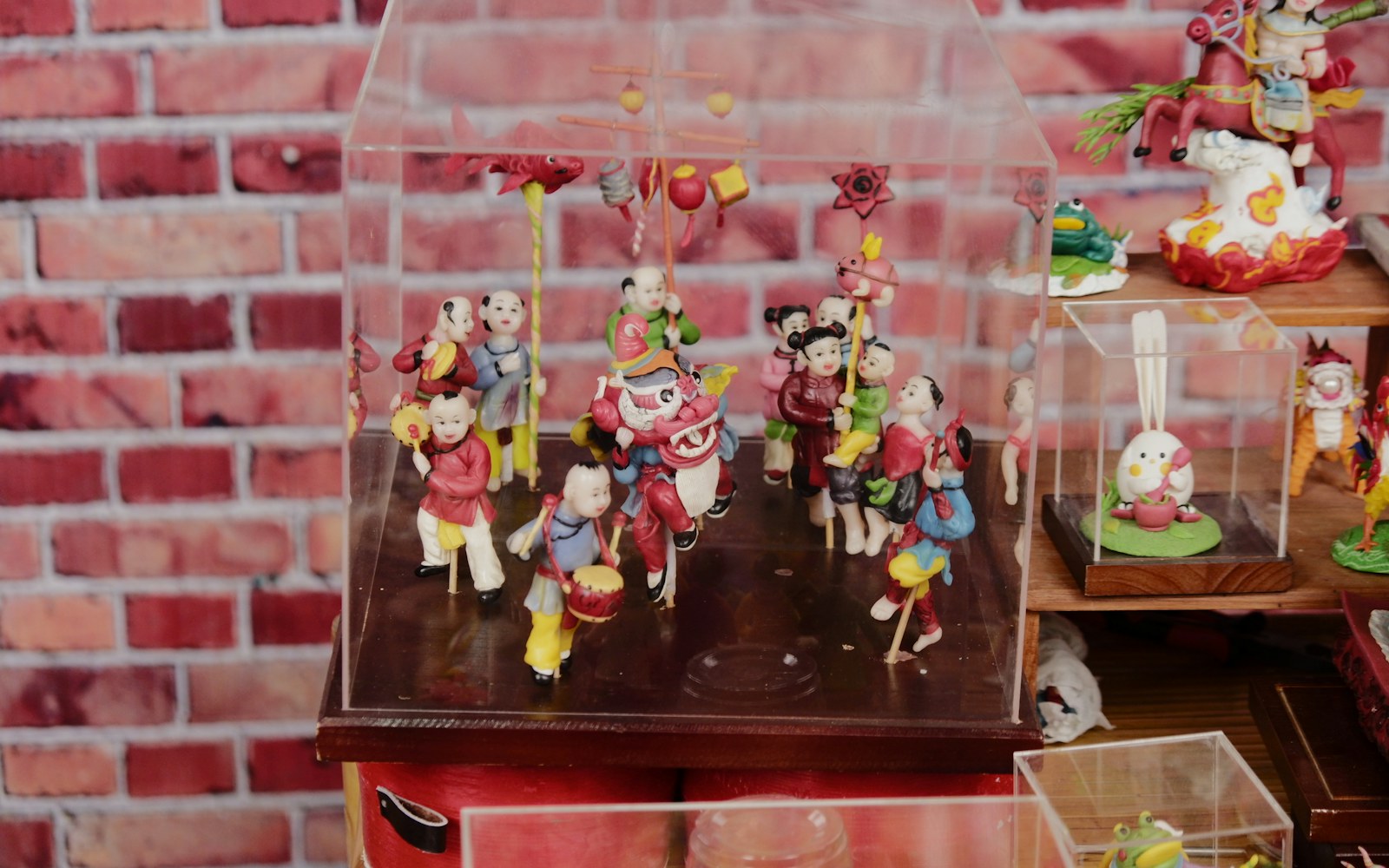
To display art dolls safely, choose a stable, low-light location away from heat, damp, dust, pests, vibration, and heavy traffic. Then add a dust barrier and a support that carries the figure’s weight without pressing on delicate surfaces, seams, paint, paper, embroidery, or projecting parts.
No case or mount can promise permanent preservation. The practical aim is prevention: reduce avoidable exposure, make handling deliberate, and inspect the object often enough to notice change early.
1. Start with a room-by-room risk check
The best display position is not always the most prominent one. Before placing a figure, consider what the room exposes it to and how easily you can inspect, clean, or move it.
Living rooms and bedrooms
Check for direct sun from windows, heat from radiators and fireplaces, warm air from vents, and strong airflow from fans. Pets, children, loose curtains, nearby furniture, and frequent rearranging can add risks that are easy to overlook. A shelf beside a door or beneath a frequently used lamp may be less suitable than a quieter, shaded wall.
Hallways and entryways
These areas bring vibration, brushing against shelves, airborne grit, temperature changes, and accidental knocks. A figure with a wide hat, extended limb, wing, tool, or paper element may be especially vulnerable where bags, coats, or people pass close by.
Kitchens and bathrooms
Avoid displaying art dolls in spaces exposed to grease, steam, splashes, condensation, or rapid changes in moisture. Even when a figure is not directly beside a sink or cooker, airborne residue and damp can reach porous textiles, paper, unfinished wood, and some finishes.
Basements, attics, and garages
Do not use these spaces for display without first addressing leaks, damp, pests, dust, heat, cold, and unstable conditions. Storage or display in an outbuilding can also make inspection less frequent, allowing small changes to go unnoticed.
Before placing a doll
Record the intended location and check that the shelf, cabinet, or wall fitting is level and strong enough. Leave clearance around fragile projections, including hats, limbs, wings, tools, hair, threads, and paper components. Make sure you can remove the figure without catching it on the case, shelf, or nearby objects.
2. Choose the display method
The right method depends on the figure’s materials, pose, weight, fragility, and how often it needs to be handled. Compare protection with access rather than assuming that an enclosure is automatically safer.
| Display method | Useful when | Points to check |
|---|---|---|
| Open shelving | You need easy viewing and frequent access | Dust, handling, pets, impact, and light exposure are harder to control |
| Glazed display case | You want a practical dust barrier | Check stability, size, cleaning access, ventilation or suitability for the room, and whether glazing touches the figure |
| Shadow box or framed enclosure | The figure is small and relatively stable | Confirm that glazing, backing, and mounts do not press on the object |
| Custom mount or enclosed cabinet | The pose, weight, or materials need tailored support | The mount should be inspectable and, where practical, reversible without damaging the figure |
Open shelving
Open shelving is visually accessible but offers the least protection from dust, handling, pets, and accidental impact. If you use it, choose a quiet location, avoid overcrowding, and keep a clear route around each object. Do not place fragile figures where routine dusting requires reaching across them.
Glazed art doll display cases
A glazed case can reduce dust and casual contact, but it still needs to be stable, clean, appropriately sized, and suitable for the room. The figure should not lean against the glazing or be trapped beneath a lid. Leave enough space to inspect and remove it safely. Look inside the case after seasonal changes or unusual damp for signs of condensation or trapped moisture.
Shadow boxes and framed enclosures
Shadow boxes can work for smaller, relatively stable figures. The interior supports must carry the object without bending, compressing, or piercing sensitive areas. Do not assume that a frame is suitable simply because the figure fits inside it. Glazing should not touch raised paint, textile surfaces, paper, hair, embroidery, or other projections.
Custom mounts and cabinets
Consider a custom solution for unusual poses, unsupported limbs, heavy components, or fragile protrusions. Support should be easy to inspect and should not rely on improvised adhesive, tight ties, or pressure against a delicate surface. Ask the maker for construction information when available, especially before commissioning a mount.
3. Control light, heat, moisture, and movement
Keep art dolls out of direct sunlight. Textile dyes, paper, painted surfaces, and other finishes may change with light exposure, and fading cannot be reversed by moving the object later. Use the lowest practical display lighting and switch it off when the room is unused. Avoid heat-producing bulbs close to the figure.
Do not place a doll beneath a strong lamp, next to a radiator, above a fireplace, beside a heating or cooling vent, or in a position where warm air moves directly across it. Heat and airflow can increase stress on some materials and carry dust onto surfaces.
Keep displays away from damp zones, leaks, condensation, and sudden environmental changes. Seasonal shifts are a reason to inspect, not a reason to assume that a case has solved the problem. A closed enclosure in a damp location may still develop unwanted moisture conditions.
Stabilize shelves and cabinets against tipping where appropriate. Keep figures away from doors, busy walkways, vibrating appliances, and surfaces that wobble when opened or closed. If a doll moves when the shelf is touched, the display needs attention before the object is left there.
4. Build safe support and handle correctly
Support a figure at structurally appropriate points and distribute its weight. The strongest support point depends on the construction: a base, torso, internal armature, or another area may be suitable, while a costume, thread, finger, wing, or decorative attachment may not be.
Do not suspend a heavy figure from a delicate head, clothing element, hair, wire, limb, or projection unless the construction was specifically designed for it. Avoid supports that squeeze fabric, emboss paper, leave pressure marks, abrade paint, or transfer dye.
Use smooth, clean support materials selected for the object. A barrier may be needed between the support and a sensitive surface. Keep the base broad and stable, and test for wobbling before moving the doll to its final position. If the figure needs an unusual stand, seek advice from the maker or a qualified conservator rather than improvising with adhesive or tight fasteners.
When handling, clear the route first. Use clean, dry hands, or suitable gloves when recommended for the particular material. Gloves can reduce direct contact in some situations but can also reduce grip, so handling advice should depend on the object. Remove jewelry, support the figure from underneath, and use two hands for awkward or fragile pieces.
Never lift an art doll by its clothing, hair, accessories, limbs, or decorative attachments. Keep loose parts together in a labelled container if they must be removed, and record where they belong.
5. Set material-specific cleaning limits
Mixed-material figures should be treated according to their most vulnerable component. The fact that one surface appears robust does not make the whole object washable or suitable for ordinary household cleaning.
Textile and embroidered surfaces
Protect textile dolls from dust before considering cleaning. Do not rub, pull threads, brush embroidery aggressively, or apply water without knowing the dyes, stuffing, finishes, and construction. Friction can distort fabric or loosen surface work even when no immediate mark is visible.
Painted surfaces
Keep painted areas away from abrasion, moisture, and direct contact with supports. Do not assume that a finish is washable or fully cured. A surface that feels dry may still be vulnerable to pressure or solvents.
Paper and cardboard
Minimize light, moisture, flexing, and pressure. Use an enclosure that does not bend, crush, or force the construction into a flat position. Handle paper elements by stable areas rather than thin edges or attached details.
Wood
Avoid damp wiping unless the finish and construction are known. Inspect for splits, loose joints, lifting coatings, or changes around joins. Unfinished or porous wood may respond differently from sealed or painted wood.
Metallic elements
Inspect for tarnish, flaking, corrosion, or transfer onto nearby textiles. Avoid abrasive polishing and household chemicals unless the material and finish are known to tolerate them. Some metallic effects are coatings rather than solid metal and may be easily disturbed.
Mixed-media figures
Follow the limits of the most vulnerable material. A textile body with a paper costume, painted face, wire structure, and metal accessory may require several different precautions at once. When construction or finish is unknown, choose the least invasive option.
For routine dust, use only a cautious, low-contact method appropriate to the object. Keep airflow gentle and stop immediately if fibers, paint, flakes, threads, or loose parts move. Do not use a household vacuum directly on a fragile figure.
Do not clean at home if the surface is flaking, sticky, powdery, mold-affected, insect-damaged, stained, structurally loose, or made from unknown materials. Valuable or especially fragile pieces also warrant professional advice. A qualified textile, objects, or paper conservator can help identify risks before a cleaning attempt causes damage.
6. Keep a condition and display record
Documentation makes small changes easier to identify and gives future handlers clear instructions. Before display, photograph the front, back, sides, top, base, and vulnerable details. Use a scale reference only if it can be added without touching or endangering the figure.
Record, where known:
- materials and construction details;
- dimensions and weight, when relevant;
- accessories and detachable parts;
- existing marks, repairs, loose areas, or color changes;
- areas that must not be handled;
- display location and case or mount type;
- support points and lighting arrangement;
- cleaning restrictions and transport notes; and
- maker or conservator contact details.
Note the date installed. Recheck the figure after moving it, after seasonal changes, following unusual heat or damp, or after any fall or impact. Inspect for dust accumulation, pests, condensation, movement, new marks, loose components, color change, and pressure from supports. Compare with the original photographs rather than relying on memory.
7. Five-minute pre-display check
Before leaving an art doll on display, confirm:
- The location is stable and away from direct sun, heat, damp, steam, pests, and vibration.
- The shelf or case can carry the object safely.
- Dust exposure is manageable and the display can be inspected.
- The support carries weight without squeezing or abrading the figure.
- Glazing does not touch any part of the doll.
- Fragile projections have clear space around them.
- The handling route is clear and the object can be removed with two hands.
- No adhesive, tight tie, or improvised support is stressing the construction.
- Lighting is low and manageable, with no heat-producing source close to the object.
- Condition photographs, material notes, and handling restrictions are recorded.
Common display mistakes
Avoid overcrowding a shelf, stacking figures, leaving delicate dolls uncovered during dusty work, or placing them in high-traffic areas because the composition looks attractive there. Do not treat all materials as if they tolerate the same cleaning method, and do not use a case without checking for pressure, instability, poor access, or trapped moisture.
A careful display setup reduces avoidable risks; it cannot guarantee permanent preservation. When the object is structurally loose, actively deteriorating, mold-affected, insect-damaged, stained, unusually valuable, or made from unknown materials, pause home treatment and seek qualified conservation advice.