Care & Display
How to Display Textile Art Dolls Without Damaging Embroidery, Beads, Lace, or Metallic Thread
Match the display support to the doll’s construction, keep embellished surfaces free from pressure, and make light, dust, handling, and contact materials part of every display decision.
By Lena Park
· 11 min read
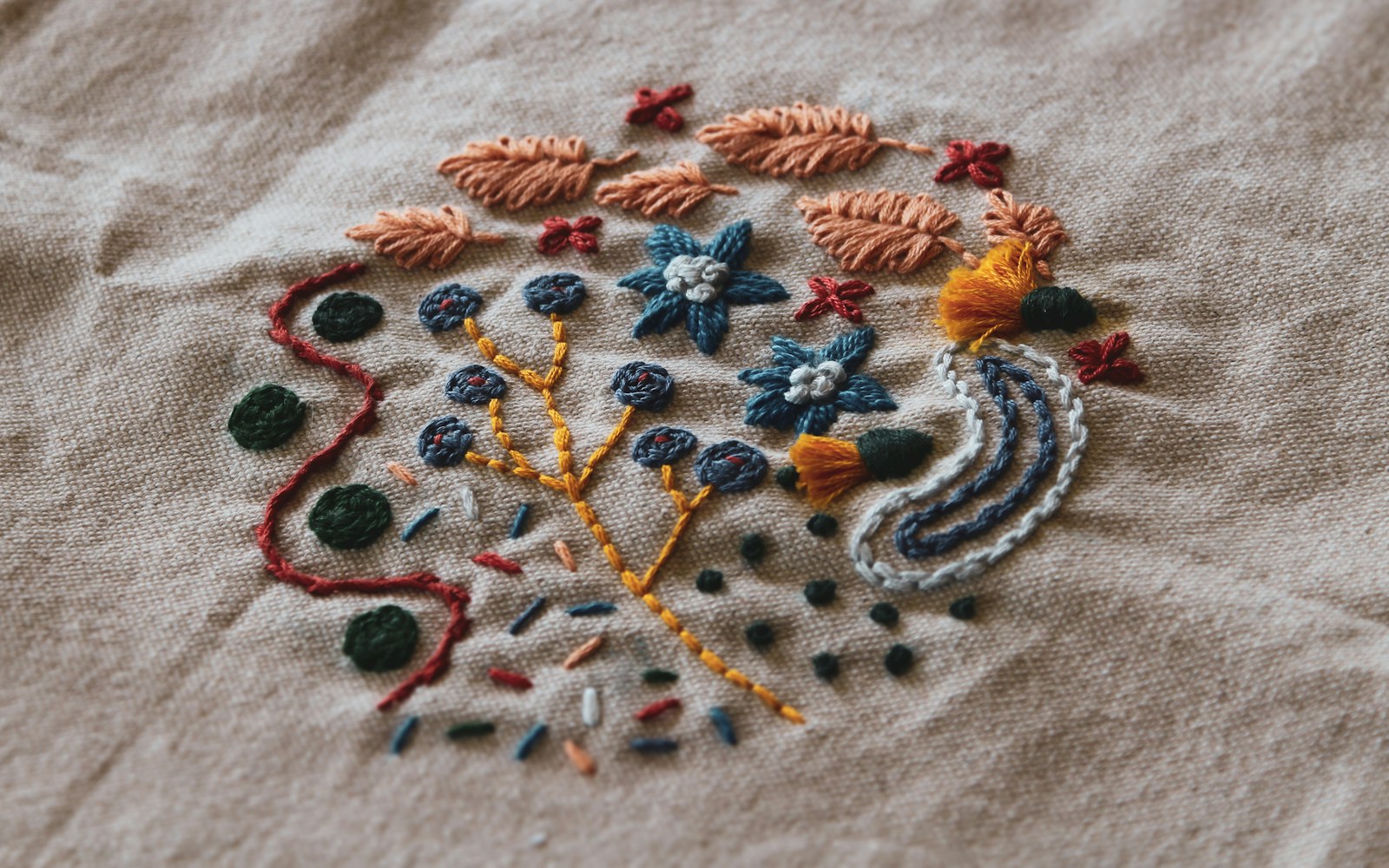
Collectors and makers need a practical way to display soft figures and dressed dolls without stressing stitched details, crushing garments, fading textiles, or snagging beads. Display textile art dolls by matching the support to the doll’s weight and construction, keeping embellished surfaces uncompressed, limiting light and dust, and using inert, smooth materials wherever the doll touches a mount, shelf, or packing layer.
There is no single safe setup for every figure. A firm, self-standing doll may be comfortable on a clean plinth, while a soft, top-heavy, bead-heavy, or light-sensitive doll may be better supported in a glazed case or stored in a shaped box between display periods. The safest position is often the one that asks the least of the object.
Assess the doll before choosing a display method
Start with a condition check before moving or installing the doll. Look closely at the areas most likely to react to pressure, gravity, abrasion, and handling.
Pre-display vulnerability checklist
- Check embroidery for pulled, slack, broken, or unusually taut threads.
- Look for loose beads, sequins, couched threads, or ornaments attached with a small number of stitches.
- Note metallic thread that appears darkened, brittle, kinked, frayed, or detached from its textile support. Metallic thread behavior varies with its composition, coating, textile support, handling history, and environment.
- Identify lace, tulle, veils, ruffles, and net structures that may crush or snag.
- Check wool, felt, hair, feathers, natural stuffing, and fur-like trims for pest evidence or shedding.
- Locate projecting wire, crowns, wings, hats, tools, props, and other elements whose weight may be carried by attachment stitches.
- Consider long limbs, stitched joints, fragile necks, narrow waists, weighted skirts, and unstable feet.
- Determine where the doll is actually strong: a firm torso, internal armature, stable base, or well-constructed feet may be load-bearing areas.
Photograph the front, back, sides, underside, and vulnerable details before installation. Record existing creases, stains, pulls, missing beads, tarnish or darkening, insect damage, and distorted garments. This creates a useful baseline if the figure changes while on display.
Choose a display method that does not strain the construction
Use the display method that requires the least force, tension, or correction. If a doll needs clips, tight ties, pressure, or a sharply altered pose to stay upright, choose another method.
| Display method | Often suitable when | Avoid or reconsider when |
|---|---|---|
| Shelf or plinth | The doll sits or stands securely without assistance and has a stable base. | The figure leans, has unstable feet, trailing garments, fragile projections, or embellished surfaces that will rest on a hard plane. |
| Doll stand or custom support | A structurally sound torso, base, or other broad area can take gentle support. | A stand pinches the waist, bodice, skirt, neck, or decorated surface, or forces limbs into position. |
| Mannequin-style or torso support | A dressed figure can be supported evenly without stretching its clothing. | The form enlarges necklines or armholes, strains closures, or requires garment layers to be pulled taut. |
| Shadow box or glazed case | The doll is delicate, flat-backed, wall-oriented, frequently exposed to dust, or best protected from handling. | The figure touches glazing or backing, is compressed by shallow depth, or must be pinned or tightly tied in place. |
| Rigid storage box | The doll is too soft, heavy, fragile, unstable, or light-sensitive for continuous display. | The box is too small, contaminated, damp, or arranged so that embellishment is pressed during storage. |
A shelf can be the least intrusive option for a stable figure. Keep neighboring objects at a distance so limbs, skirts, lace, and beadwork do not touch. A smooth, clean, stable surface matters more than a decorative one.
Commercial doll stands can be useful, but their materials and pressure points vary. Do not assume a coated metal, painted surface, foam pad, rubbery grip, or textile-covered stand is suitable for long-term direct contact. Where composition is uncertain, isolate contact points with a clean, smooth barrier and monitor the area for pressure or abrasion.
Support the body, costume, and small details
Support should follow structure rather than appearance. A narrow waist may look like a convenient place for a stand, but an embroidered bodice, beaded belt, or fragile costume seam may make it a poor load-bearing point.
Positioning principles
- Support a soft torso over a broad area rather than hanging the figure from its neck, arms, loop, or shoulders.
- Do not use stitched joints, decorated sleeves, lace straps, or attachment stitches to carry the doll’s weight.
- For standing figures, use discreet support that prevents a fall without pulling limbs or costume layers into place.
- For seated figures, ensure the seat does not create a sharp bend at hips, knees, or elbows that will remain under stress.
- For reclining figures, use shaped, broad support so the head, torso, and limbs are not suspended across a gap.
- Keep beadwork, raised embroidery, sequins, and metallic-thread motifs away from hard shelf edges and rough display fabrics.
- Let skirts, trains, lace, tulle, and veils fall naturally where possible. Use only minimal, loose buffering when needed to prevent a crush point.
- Give hats, crowns, wings, and wired additions independent support if their weight pulls on the textile attachment beneath them.
After installation, inspect the doll again after about 24 hours. Look for a new lean, pressure mark, creased garment, tightened thread, shifted bead, flattened lace, or sagging attachment. Repeat checks periodically, especially after seasonal changes or rearranging the room.
Control light, dust, climate, and pests
Textile figures are vulnerable to cumulative exposure. A display that looks calm and clean can still be too bright, too dusty, too warm, or too unstable over time.
Light
Keep textile art dolls away from direct sun, strong daylight, and persistent bright artificial light. Light-sensitive dyes, fibers, and surface finishes may change gradually, and the most exposed side may change first. Consider rotating sensitive pieces, using an enclosure, reducing display time, or returning particularly vulnerable dolls to storage.
Do not rely on glass alone as a complete solution to light exposure. A glazed case may reduce handling and dust, but placement still matters.
Dust and cleaning
A case or enclosure can reduce dust accumulation, especially for dolls with lace, tulle, hair, feathering, or densely embroidered surfaces. Keep the surrounding room clean, but avoid treating the doll like ordinary décor.
Do not use adhesive lint rollers, vigorous brushing, household vacuum tools, compressed air, or aggressive dusting on fragile surfaces. These methods can catch threads, dislodge beads, pull fibers, or place stress on weak attachments. If surface dirt is significant or the object is historic, valuable, or unstable, consult a qualified textile conservator before attempting cleaning.
Stable conditions
Keep conditions as stable as practical. Avoid damp basements, hot attics, exterior walls with condensation risk, heating vents, air-conditioning blasts, and humidifiers aimed directly at the display.
Extremes and rapid fluctuations can affect textiles, adhesives, wood, stuffing, coatings, and mixed-media components differently. A moderate indoor location with fewer abrupt changes is generally easier on a collection than a dramatic but unstable display site.
Pest monitoring
Inspect wool, felt, hair, feathers, natural stuffing, and other animal-derived materials regularly. Warning signs include new holes, loose fibers in unusual quantities, frass, shed skins, webbing, or visible insects.
Isolate newly acquired objects and recently stored dolls before bringing them close to the collection. If there is active pest damage, widespread mold, or uncertain contamination, remove the doll from display and seek professional advice rather than attempting a general DIY treatment.
Keep unsafe contact materials away from textiles
The contact layer between a doll and its display is part of the support system. Materials that are rough, unstable, strongly scented, tacky, dyed, or unknown should not be assumed safe for long-term contact.
Avoid placing dolls directly against:
- Unfinished wood or ordinary cardboard.
- Newspaper and dyed tissue paper.
- Rough Velcro, abrasive fabrics, or coarse basket linings.
- Rubbery padding, tacky plastic, or materials with a strong odor.
- Adhesive tapes, glue dots, pressure-sensitive labels, and sticky putties.
- Unbuffered metal hooks, pins, wire, or fasteners.
- Painted surfaces, unknown foam, commercial stand padding, or synthetic fabrics of uncertain composition.
When a support material cannot be verified, isolate it rather than assuming it is compatible. The barrier itself should be clean, smooth, and free from loose fibers or dye transfer risk. Recheck any contact point during routine inspections.
Avoid improvised fixes that solve a display problem by creating a new construction problem. Pins through clothing, elastic bands around limbs, wire ties across costume layers, tape on a backing, and tight clips may distort textiles or leave permanent-looking marks.
Handle embellished dolls with a plan
Before lifting a doll, clear the destination and decide where both hands will go. Remove rings, bracelets, watches, or clothing accessories that could snag lace, metallic thread, or beadwork.
Lift from the strongest supported area with both hands. Do not lift by a hat, arm, neck loop, sleeve, veil, waist, or decorative element unless it was specifically designed and confirmed to bear the full weight. Keep handling brief and purposeful; repeated minor adjustments can be harder on fragile surfaces than a careful, planned move.
Pack for moving or long-term storage
Packing is not simply wrapping the doll. The goal is to stop movement while avoiding pressure on vulnerable surfaces.
Packing checklist
- Make a dated condition report and take overall and detail photographs.
- Record the display arrangement, removable accessories, props, and any existing supports.
- Choose a clean, rigid box large enough for the doll to lie or sit without compression.
- Build the support around the figure rather than forcing the figure into a too-small container.
- Cushion open spaces so the doll cannot shift during transport, while keeping pressure away from beads, raised embroidery, lace, and projections.
- Separate removable hats, props, sharp components, and heavy elements from vulnerable textiles. Label each component.
- Include a simple packing diagram or photographs showing how pieces should be returned to the box.
- Do not seal the doll away while damp, visibly soiled, actively shedding fibers or beads, or showing active pest evidence.
- Inspect stored dolls periodically. Storage reduces exposure but is not permanent protection from all risks.
For a doll with a weighted skirt, elaborate headpiece, or long trailing garment, it may be safer to create separate, supported zones within the box than to flatten every component into one plane. If arranging the doll requires force or leaves raised areas under pressure, reassess the container and support design.
Use a repeatable condition-report checklist
A simple record makes it easier to notice gradual change and to pack or reinstall a complex doll correctly.
Record at installation and each inspection
- Identification, maker information if known, acquisition date, and dimensions.
- Observed materials and construction features.
- Display position and support type.
- Location of the shelf, case, or box.
- All direct contact materials, including stand padding, shelf lining, case backing, and barriers.
- Existing issues: loose threads, missing beads, tarnish or darkening, tears, abrasion, distortion, discoloration, odors, and pest evidence.
- Dated overall photographs and close-ups of vulnerable areas.
- Notes on every move, display change, cleaning decision, repair, or storage period.
Keep the report with the collection records rather than inside a box where it may be separated from the doll. A clear log is especially useful when a figure changes hands, travels, or has removable garments and accessories.
Quick display decision checklist
Before placing a doll on view, ask:
- Does it stand, sit, or recline without force?
- Is any of its weight carried by a fragile neck, stitched joint, narrow waist, sleeve, or attachment stitch?
- Are embroidery, beads, lace, tulle, or metallic thread resting against a hard or rough surface?
- Does the support pinch clothing or create a persistent crease?
- Is the location bright, dusty, damp, hot, drafty, or pest-prone?
- Are all contact materials known to be smooth, clean, stable, and suitable for monitored use?
- Can the doll be removed and inspected without pulling on fragile details?
If any answer raises concern, use broader support, increase clearance, add an enclosure, reduce display time, or choose supported storage instead.
Common mistakes to avoid
- Hanging a doll by the neck, loop, arms, or costume without confirming that the attachment was designed to bear its weight.
- Tightening a stand around an embroidered bodice, beaded waist, narrow torso, or delicate skirt.
- Pressing a doll against glass, a backing board, or neighboring objects to make it fit.
- Leaving embellished textiles in a bright window display or near a heat or air-flow source.
- Allowing skirts, lace, tulle, and veils to remain crushed beneath the figure or against a shelf edge.
- Using tape, pins, elastic, unpadded wire, or clips as a quick positioning fix.
- Treating a display case as a substitute for inspections and condition records.
When to remove a doll from display or consult a conservator
Remove the doll from display if it begins to lean, develops new creases or pressure marks, sheds beads or fibers, shows pulled embroidery, gains visible discoloration, develops an odor, or shows signs of pests or mold.
A qualified textile conservator is particularly appropriate for historic or high-value dolls, extensive losses, active pest damage, mold concerns, structurally unstable figures, detached metallic thread, serious distortion, or a repair question that would otherwise require wet cleaning, polishing, adhesive, or invasive fastening. Routine preventive care can reduce avoidable stress, but treatment decisions should account for the doll’s specific materials, construction, condition, and artist guidance.