Care & Display
How to Store and Display Art Dolls Safely
Protect handmade figures from dust, light, pressure and unstable supports with a careful display and storage routine.
By Lena Park
· 10 min read
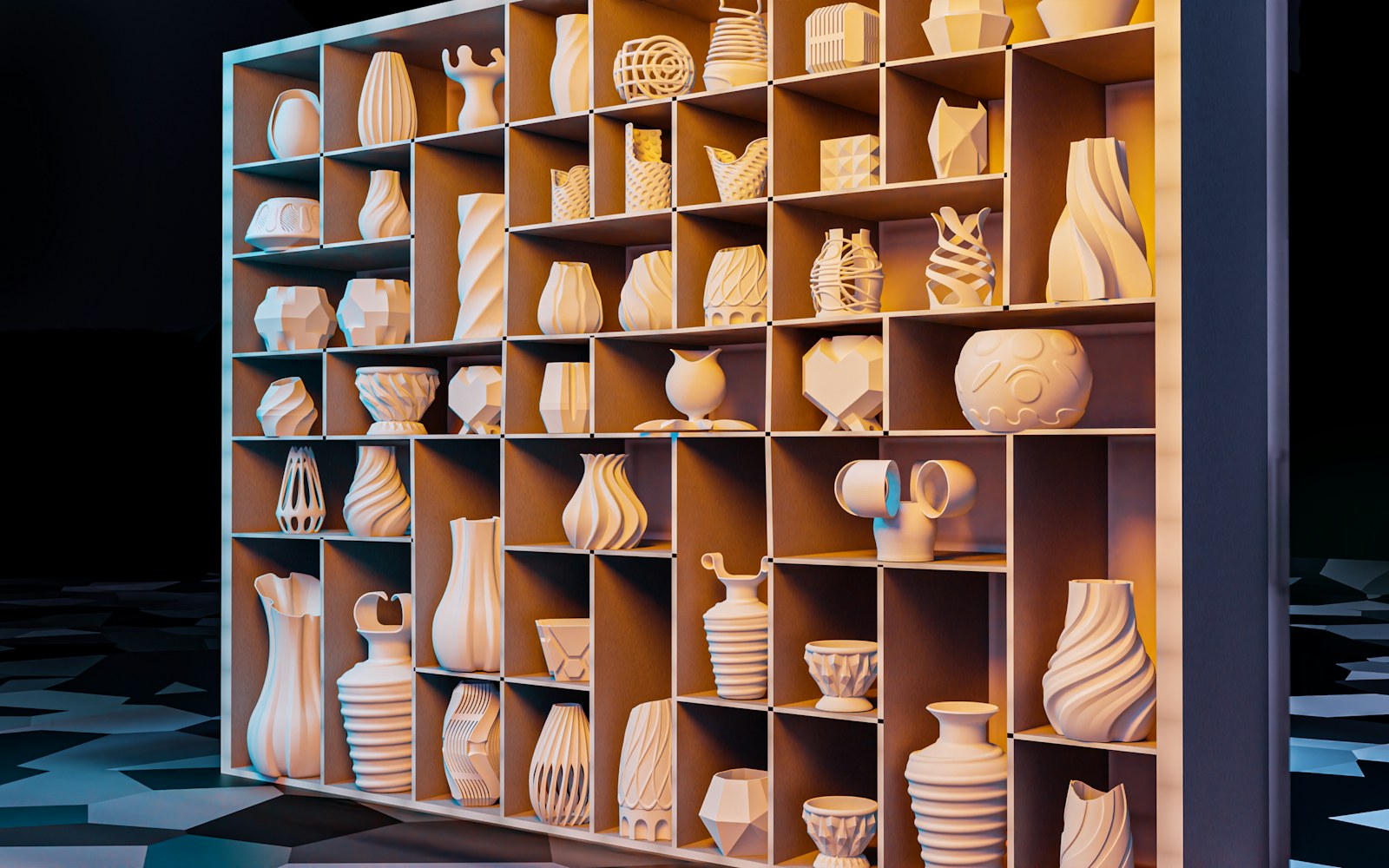
Small handmade figures are easily exposed to dust, sunlight, compression, unstable supports and unsuitable packing. The safest approach is straightforward: display art dolls in a stable, shaded, low-dust location; support the body or base rather than fragile projections; handle them with clean, dry hands; and pack them so no part is squeezed or left to bear unintended pressure. Exact care depends on the figure’s materials, construction and condition, so treat the following as a practical starting checklist rather than a substitute for the maker’s instructions or specialist advice.
Start with a safety assessment
Before moving an art doll, identify what it is made from and how it is assembled. Felt, fabric, clay, wire, paper, wood, paint, trims and adhesives can respond differently to handling, light, moisture and pressure. A mixed-media figure may need the most cautious approach because one component can be more vulnerable than the rest.
Look closely at the figure’s balance and its fragile projections. These may include limbs, ears, wings, tails, hats, hair, clothing details, embroidery, loops or wired parts. Note whether the base is level, whether the figure leans, and whether any element is already loose.
Before changing its location, take a few photographs and record visible marks, loose components, repairs, stains or changes in balance. This simple condition record makes gradual changes easier to recognise and helps distinguish old damage from new damage.
Quick pre-move checklist
- Identify the main materials and any uncertain components.
- Check the base, feet, armature and points of attachment.
- Look for loose threads, detached trims, cracks, flaking surfaces or tacky areas.
- Photograph the figure from several angles.
- Clear the route before lifting it.
- Move one figure at a time, using both hands where necessary.
Choose a safer display location
Choose a level surface that does not wobble and is not likely to be knocked by visitors, pets, curtains or nearby objects. Leave clearance around ears, wings, tails, hats and other projections so they cannot catch on fabric or be struck when the shelf is used.
Moderate, indirect light is generally safer than direct sun. Light damage to handmade figures can be gradual and may affect textiles, dyes, painted surfaces, coatings and other materials differently. When practical, rotate the display or use shading to reduce prolonged exposure. A figure that looks unchanged after a short period may still be vulnerable to cumulative fading or surface change.
Keep figures away from radiators, heating vents, fireplaces, hot lamps and other sources of heat. Avoid damp areas, food preparation spaces, smoke, heavy household pollution and high-traffic locations. An open window may improve ventilation in some circumstances, but it can also expose objects to moisture, dust or pollution.
When an art doll display case helps
An enclosed art doll display case can reduce routine dust and provide a physical barrier against accidental contact. It is most useful when the case is stable, suitably sized and easy to inspect. The figure should not touch the sides, lid or door, and fragile projections should have clear space around them.
A poorly fitted case can create different risks. A tight enclosure may press against the object, while a case that traps condensation can expose materials to unwanted moisture. Do not seal a figure into a container if its condition, the surrounding environment or the compatibility of the case materials is uncertain. A case reduces some everyday hazards; it does not prevent every form of deterioration.
Support the figure without stressing it
A support should carry the figure’s body or base, not suspend its weight from a limb, ear, wing, clothing detail, hair, loop or decorative attachment. For a standing figure, a broad, stable platform is usually preferable to a narrow stand that concentrates pressure in one small area.
The support should fit without rubbing, pinching or forcing the figure into a new position. Check whether delicate feet, an uneven base or an internal wire armature is carrying more load than intended. Top-heavy pieces may need a discreet barrier or enclosure to prevent falls rather than a taller or narrower stand.
Avoid adhesives, tight bands, pins and improvised pressure points unless the maker or a qualified conservator has specified them. Adhesives can complicate later repair, while bands and pins may mark, compress or tear textile surfaces. If the figure cannot stand securely without such measures, leave it in a protected, supported position and seek advice before modifying it.
Handle with clean, dry hands
Wash and dry your hands before handling, and keep food, drinks, lotions and wet surfaces away from the figure. Clean, dry hands reduce the chance of transferring grease, moisture or residue, but they do not make rough handling safe.
Move one figure at a time. Support heavier areas with both hands and lift from the body or base. Never lift an art doll by an accessory, limb, loop, hair, hat or item of clothing. If a component moves unexpectedly, stop rather than trying to correct it while the figure is in the air.
Plan where the figure will go before picking it up. A clear route and a prepared surface reduce the time it spends unsupported and help prevent collisions with shelves, doorways or other objects.
Remove dust according to material and condition
Begin with a visual inspection. If dust is loose and the figure has no vulnerable attachments, a clean, very soft brush may be appropriate in small areas. Use minimal pressure and avoid dragging the brush across raised fibres, embroidery, loose threads, hair or trims.
Gentle air movement may help with loose surface dust only when no fibres, paper elements or detachable parts can catch or shift. It should not be used to force dust into seams or openings, and it is not a substitute for inspecting the object first.
Felt and textile sculpture
Felt and textile surfaces can snag, flatten, pill, shed or change appearance when rubbed. Protect raised fibres, embroidery, stitched details and loose trims. Avoid aggressive brushing, scrubbing and moisture unless the maker has supplied specific washing instructions for that construction.
Do not assume that a fabric figure is washable. Dye, stuffing, coatings, glued parts, wires and mixed-media additions may not tolerate water or agitation. If a textile surface is stained or has an odour that does not resolve through environmental correction, stop and seek material-specific advice.
Clay, painted and coated parts
Clay may be porous, brittle, sealed, painted or combined with fabric and wire. Painted or coated surfaces can react poorly to water, friction or household products, particularly if the finish is already flaking, soft or tacky. Avoid wet-cleaning or rubbing unless the construction and finish are known to tolerate it.
Inspect for cracks, chips, lifting paint and changes in surface texture. A small crack may indicate a larger structural issue, especially where a clay part joins a wire, fabric or wooden element.
Wire, paper, wood, glued and mixed-media parts
Wire can bend at joints or fatigue when repeatedly adjusted. Paper can crease, tear or respond to moisture. Wood and glued joins may shift as conditions change, while mixed-media assemblies often have several different points of weakness.
Do not bend a wired part back into place, test a loose join, or press down a lifted paper or fabric element. A loose component is a reason to stop cleaning and handling until the construction has been assessed.
What not to use
- Do not vacuum an art doll or place a vacuum nozzle near loose fibres or attachments.
- Do not wet-clean, soak or steam the figure without confirmed material compatibility.
- Do not scrub, rub or brush aggressively.
- Do not apply household cleaners, fragrance, polish, solvent or stain remover.
- Do not use adhesive tape to collect dust from textile or paper surfaces.
- Do not continue cleaning when a thread, trim, coating or structural part begins to move.
Separate display, short-term transport and long-term storage
Display protection and storage protection solve different problems. A shelf or case can keep a figure visible and reduce everyday dust, but transport requires the figure to withstand movement, vibration and changes in orientation. Long-term storage requires a clean, dry, dark and stable setting where the object is not compressed and can still be inspected.
For short trips
Use clean, non-abrasive, non-shedding packing materials. The container should prevent the figure from rolling or striking the sides, but it should not press directly against fragile projections. Build a protective void around the object rather than compressing the figure to fit the box.
Support the body or base and immobilise the container itself. If the figure has a tail, wing, ear, hat or other projection, create space around that part instead of wrapping it tightly. Keep packing materials away from tacky, friable, freshly repaired or easily marked surfaces.
Before closing the box, check the orientation, the position of supports and the clearance around vulnerable elements. Add a photograph and handling note if someone else will unpack it.
For long-term textile sculpture storage
Store textile and mixed-media figures in a clean, dry, dark and stable environment with enough space for periodic inspection. Do not place heavy objects on top of the container or pack figures tightly into a drawer. Compression can flatten fibres, deform clothing and stress attachments over time.
Avoid damp basements, hot attics and sealed containers that may trap condensation. Storage materials should not shed fibres, transfer colour or rub against the figure. When the materials are unknown, favour observation, separation and physical protection over experimental treatments.
Label the container with the figure’s orientation, handling notes and materials if known. Keep the maker’s care instructions, photographs, provenance records and repair history with the object, but avoid placing loose papers or labels where they can rub against it.
Monthly condition-check checklist
A short monthly inspection can reveal gradual changes before they become difficult to interpret. Choose a consistent date and record the findings with photographs.
- Check for new dust, fading, discoloration, odour or signs of moisture.
- Look for pest activity or growth that appears mold-like.
- Inspect felt, fabric, embroidery and trims for loose threads, snags or flattening.
- Check clay, painted and coated areas for cracks, chips, flaking or tackiness.
- Examine wire armatures, feet, bases and joins for movement or altered balance.
- Check the display case, stand, barriers and fasteners for pressure or abrasion.
- Inspect storage or packing materials for deterioration, shedding or colour transfer.
- Confirm that sunlight, heat sources, humidity conditions and nearby activity have not changed.
- Record the date, observations and photographs.
If a figure has changed, avoid repeatedly handling it to investigate. Photograph the area in place, note what you observed and compare it with earlier records.
When to seek professional guidance
Stop handling and seek advice from a conservator or other qualified specialist when there is active mold-like growth, persistent dampness, severe fading, flaking paint, major cracking, a broken armature, an unknown stain or a loose component whose attachment is unclear. Valuable or irreplaceable pieces also warrant professional advice before cleaning, repair or structural modification.
Prioritise the maker’s care instructions when they are available. If the materials or finish are uncertain, choose protection and documentation over experimental cleaning. The safest routine is not the most elaborate one: shade the figure, keep it stable and dry, reduce dust, avoid pressure, and inspect it regularly.
Care at a glance
- Keep art dolls out of direct sun, heat, dampness and smoke.
- Use a level, stable support that carries the body or base.
- Handle with clean, dry hands and never lift by a projection or accessory.
- Protect figures from dust without allowing a case to press against them or trap condensation.
- Use the least-force cleaning method and avoid vacuuming, wet-cleaning, scrubbing and household products.
- Pack around fragile projections rather than compressing them.
- Store figures clean, dry, dark, separated and easy to inspect.
- Document condition monthly and seek specialist advice when damage is active or uncertain.