Materials
Using Bark, Pinecones, and Other Natural Materials in Art Dolls
Foraged bark, cones, twigs, leaves, and seed pods can enrich a collectible figure—but only when their hidden risks are assessed before construction.
By Mateo Ellis
· 9 min read
A maker who wants to use locally foraged bark, pinecones, twigs, leaves, or seed pods needs to ask a risk question before asking an aesthetic one: is this material stable enough to become part of a collectible figure?
The short answer is that natural materials for art dolls can be suitable as accents, but none should be assumed to be clean, dry, pest-free, archival, or permanently stable. Material should be selected, isolated, dried, inspected, and tested before it comes near fabric, stuffing, finished dolls, or other collection materials. Even then, preparation reduces risk rather than removing it.
The safest general approach is to use a natural element for visual texture rather than as an untested structural component. The material must also suit the doll’s expected handling, transport, and display environment.
Compare natural materials by stability and failure risk
Different foraged materials fail in different ways. Species, collection condition, preparation, construction, and surroundings all affect the result, so the comparison below is a starting point rather than a guarantee.
| Material | Likely strengths | Common risks | Useful roles | Inspection priorities |
|---|---|---|---|---|
| Bark | Strong surface texture; some pieces are relatively rigid | Cracking, curling, peeling layers, soft spots, hidden insects, shedding | Surface accents, plaques, clothing details, hair or costume elements | Check both faces, edges, cavities, odor, holes, powder, and flexibility |
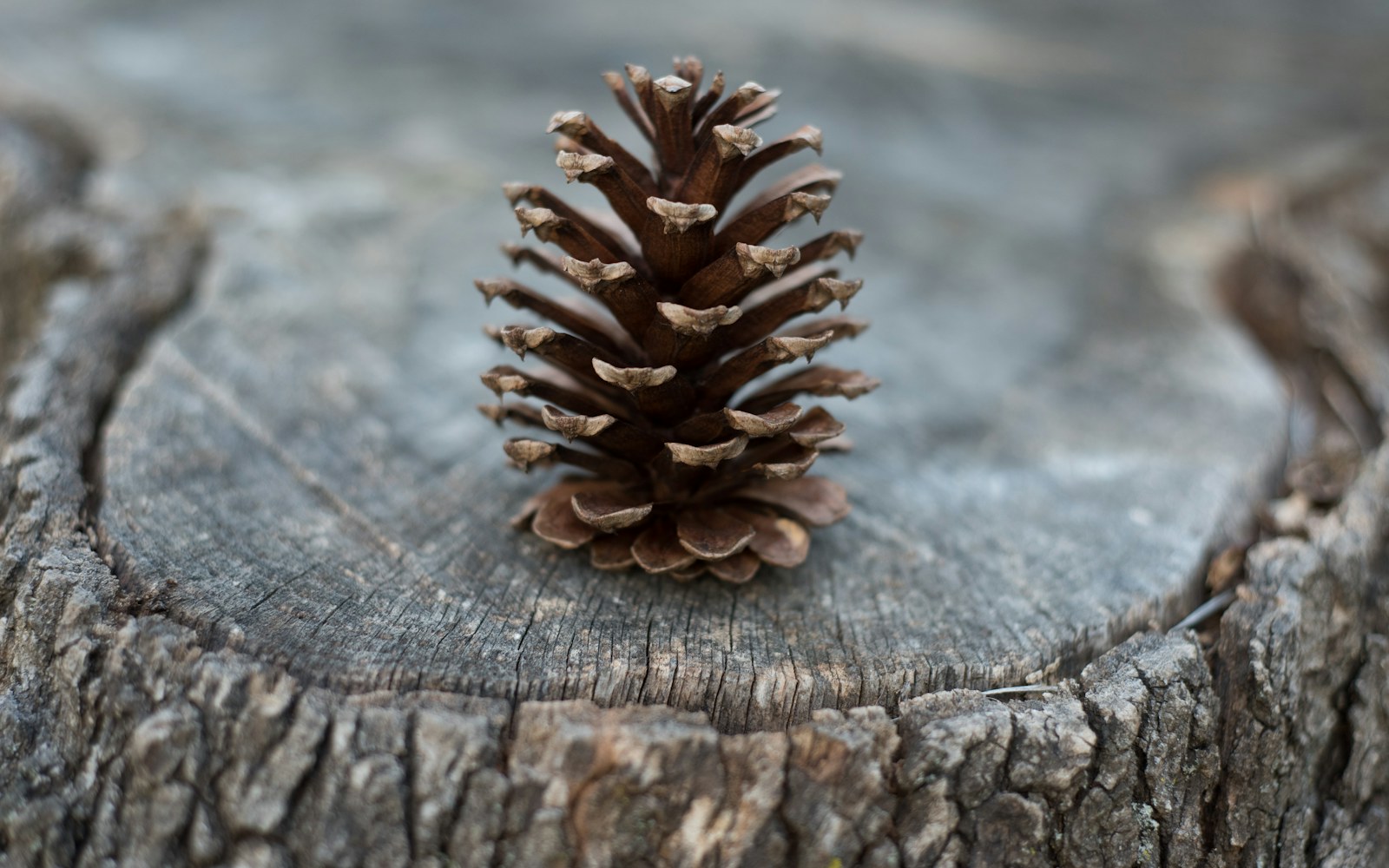
| Pinecones | Distinctive silhouette and repeated scale pattern | Broken scales, trapped debris, movement as conditions change, difficult-to-clean interiors | Decorative bodies, hats, collars, props, small textural details | Look between scales for webbing, frass, eggs, odor, and loose fragments |
| Twigs | Linear structure; can suggest limbs, branches, tools, or furniture | Splits, knots, sap, brittleness, uneven strength, hidden tunnels | Visual details and carefully assessed supports | Test hardness and attachment points; inspect ends, cracks, and surface residue |
| Leaves | Thin, graphic shapes and recognizable silhouettes | Brittleness, fading, curling, tearing, porosity, rapid damage from handling | Infrequent-use accents or surface motifs | Reject material that is soft, damp, actively shedding, or fragile at attachment points |
| Seed pods | Varied forms and strong sculptural texture | Brittleness, openings that trap debris, powdering, splits, pest activity | Decorative headwear, props, collars, and small accents | Examine cavities, seams, attachment areas, and any unexplained powder |
Bark
Dense, fully dry bark may hold an edge and provide a convincing woodland surface. Softer or layered pieces are more unpredictable. They can curl as they adjust to their surroundings, shed flakes, or split around a pin or wire. A piece that looks sound on its outer face may be damp or decayed within.
Bark sculpture preservation is therefore less about applying a finish immediately and more about starting with a sound piece. Avoid material with a musty odor, soft patches, visible growth, unexplained dust, or evidence of tunneling. Peeling bark is not automatically unusable, but every loose layer becomes a possible fragment and a possible access point for debris or pests.
Pinecones
Pinecones are attractive because they supply texture without much carving, but their interiors can be difficult to inspect and clean. Scales may break during handling, and the cone can change its shape as environmental conditions change. Loose debris may remain deep between scales even after the visible surface appears clean.
Pinecones in handmade figures are usually best treated as decorative components rather than load-bearing forms. If a cone is attached to fabric, foam, or stuffing, avoid compressing it so tightly that movement or broken scales create stress at the attachment point.
Twigs
A twig may look like a natural armature, but visual straightness does not prove structural reliability. Knots, splits, sap, uneven grain, and hidden weakness can make one section much less dependable than another. A twig can be appropriate for a staff, branch, horn, or other visible detail while being unsuitable as a load-bearing natural material art doll armature.
If a twig must support weight, assess its strength and attachment in the actual construction rather than relying on appearance. In many cases, a separate tested support can carry the load while the twig remains a removable or nonessential surface element.
Leaves and seed pods
Thin leaves and delicate pods generally need more cautious handling than bark or a sturdy cone. They can become brittle, curl, fade, or break at their attachment points. Their porous surfaces may also absorb adhesives or coatings unevenly.
These materials can work well for a figure intended for careful display, but they are poor choices where the object will be frequently handled, packed tightly, or transported without protection.
Dry, isolate, and inspect before construction
Newly collected material should stay separate from fabrics, stuffing, tools, finished figures, and stored plant matter until it has been assessed. This isolation is a practical quarantine step, not proof that the material has become safe.
A conservative preparation sequence is:
- Record where and when the material was collected, including the general source area.
- Remove loose soil and debris outdoors or in a controlled work area, without distributing dust through the studio.
- Allow the material to dry thoroughly in a dry, ventilated place. Do not seal it while moisture may remain inside.
- Inspect it under good light, turning it over and examining cracks, cavities, edges, and attachment points.
- Keep it separate while you monitor its condition before construction.
- Record any cleaning, treatment, adhesive, wire, or coating used.
Surface cleaning can remove loose dirt, but visible cleanliness is not proof of internal dryness, stability, or freedom from pests. Drying can reduce moisture-related risk, but it does not establish that insects, eggs, decay, or hidden damage are absent.
Look for soft spots, discoloration, mold-like growth, musty or foul odor, holes, tunnels, loose frass, webbing, shed skins, eggs, and unexplained powder. Frass—the dust or granular debris associated with insect activity—deserves particular caution, especially when it continues to appear after cleaning. A single ambiguous mark is not proof of an active infestation, but it is a reason to keep the material isolated and investigate rather than proceed.
Factbox: material triage
Use only material that is fully dry, sound, odor-free, and free of visible mold, holes, frass, webbing, and unexplained powder. Isolate it before use, document preparation, test attachment and coatings on samples, and recheck the finished figure seasonally. A coating may reduce shedding or change handling, but it cannot guarantee permanent protection or eliminate conservation risk.
Build with low-stress, inspectable attachment
The attachment method should reflect the material’s weight, brittleness, movement, and future access. It should also allow the maker to inspect or repair the component without unnecessarily damaging the figure.
Mechanical attachment and wire
Hidden wire, pins, or shaped supports can provide useful control, particularly when a natural element must be positioned away from the body. However, a hard fastener can split bark, crush a cone scale, or create a sharp hazard. Pre-existing cracks should not be treated as convenient places for a pin unless the result has been tested carefully.
Wire can support a decorative element, but it should not automatically turn a twig or cone into an armature. If the organic material fails, the wire may remain under tension or puncture adjacent fabric. Use a separate support for essential structure when possible, leaving the foraged element to supply surface character.
Adhesives
Adhesives may stain porous surfaces, soak into bark, become brittle, restrict natural movement, or make later repair difficult. The right choice depends on the material and surrounding construction, so test a small sample first. Check for discoloration, tackiness, odor, cracking, and whether the bond puts stress on a fragile surface.
Avoid trapping potentially damp organic material tightly against absorbent fabric, foam, or stuffing. A hidden gap or inspectable attachment can make later assessment easier than a fully enclosed joint.
In every case, account for fragments that may fall during transport and for movement at the boundary between the natural element and the doll. An attachment that survives a stationary display may fail when the figure is lifted, packed, or repositioned.
Sealers and coatings: useful barriers, not guarantees
A sealer may reduce surface shedding, alter handling, or provide a limited barrier against dirt. It may also change color, gloss, flexibility, and tactile character. Those effects should be evaluated on a representative sample before the finished component is coated.
Test for color change, tackiness, lingering odor, cracking, uneven absorption, and interaction with nearby textiles or existing finishes. Document the product, dilution if relevant, number of applications, and method used so that future care does not have to rely on guesswork.
A coating cannot reliably correct hidden moisture, active infestation, internal decay, or poor material selection. It does not prove that the material has been sterilized, waterproofed, or permanently preserved. It may also make later inspection or treatment harder by covering holes, residues, or surface changes.
Do not use paint, varnish, glue, heat, or freezing as universal solutions. Any treatment should be considered for the specific material and construction, with specialist advice for a valuable figure or an object showing active damage.
Display, handling, and seasonal monitoring
Display the finished figure in stable, moderate indoor conditions, away from condensation, direct sun, heat sources, radiators, and damp storage areas. This is risk reduction, not a guarantee of stability. Natural materials can still respond to changes in their surroundings.
Handle the figure only when necessary and support it by its strongest body areas rather than by a cone, twig, bark edge, leaf, or pod. Keep it away from unsealed wood, soil, stored plant matter, and other possible pest sources. During transport, prevent fragile elements from rubbing against packaging or bearing the figure’s weight.
Reinspect during seasonal changes and after moving the figure. Look for new dust or frass, webbing, holes, mold-like growth, softening, odor, cracking, cone movement, and detached fragments. If warning signs appear, isolate the figure from other collection materials. Avoid brushing or treating it in a way that could spread debris, and seek appropriate conservation or pest-management advice when the object is valuable or damage appears active.
Do-not-use checklist
Do not use natural material that is:
- Damp, soft, spongy, or structurally weakened
- Moldy or showing mold-like growth
- Infested, visibly tunneled, or producing frass or unexplained powder
- Foul-smelling or persistently musty
- Actively shedding in a way that compromises the figure or surrounding collection
- Split at the intended attachment point
- Difficult to inspect because debris or layered structure hides its condition
- Uninspected before being placed against fabric, foam, stuffing, or a finished doll
Also avoid assuming that a coating, adhesive, heat treatment, freezing, or a period of drying is a universal cure. These measures may be useful in some circumstances, but each has limitations and can introduce new risks.
A practical decision rule
Choose the least risky material that achieves the visual effect. Use it only after isolation, thorough drying, inspection, and a compatibility test. Treat it as a decorative part of a larger construction system unless its strength and aging behavior have been specifically assessed. Record its source, preparation, attachment, and coating, then plan to inspect the completed figure as conditions change.
That approach does not make foraged materials permanently safe or archival. It does make the maker’s decision more deliberate—and gives the finished art doll a better chance of remaining understandable, inspectable, and cared for over time.