Process
How to Repurpose Vintage Textiles for Art Doll Garments
A practical guide to giving vintage fabrics new life in doll garments while respecting their history and condition.
By Sophie Harrow
· 7 min read
Introduction: Giving Vintage Fabrics New Purpose
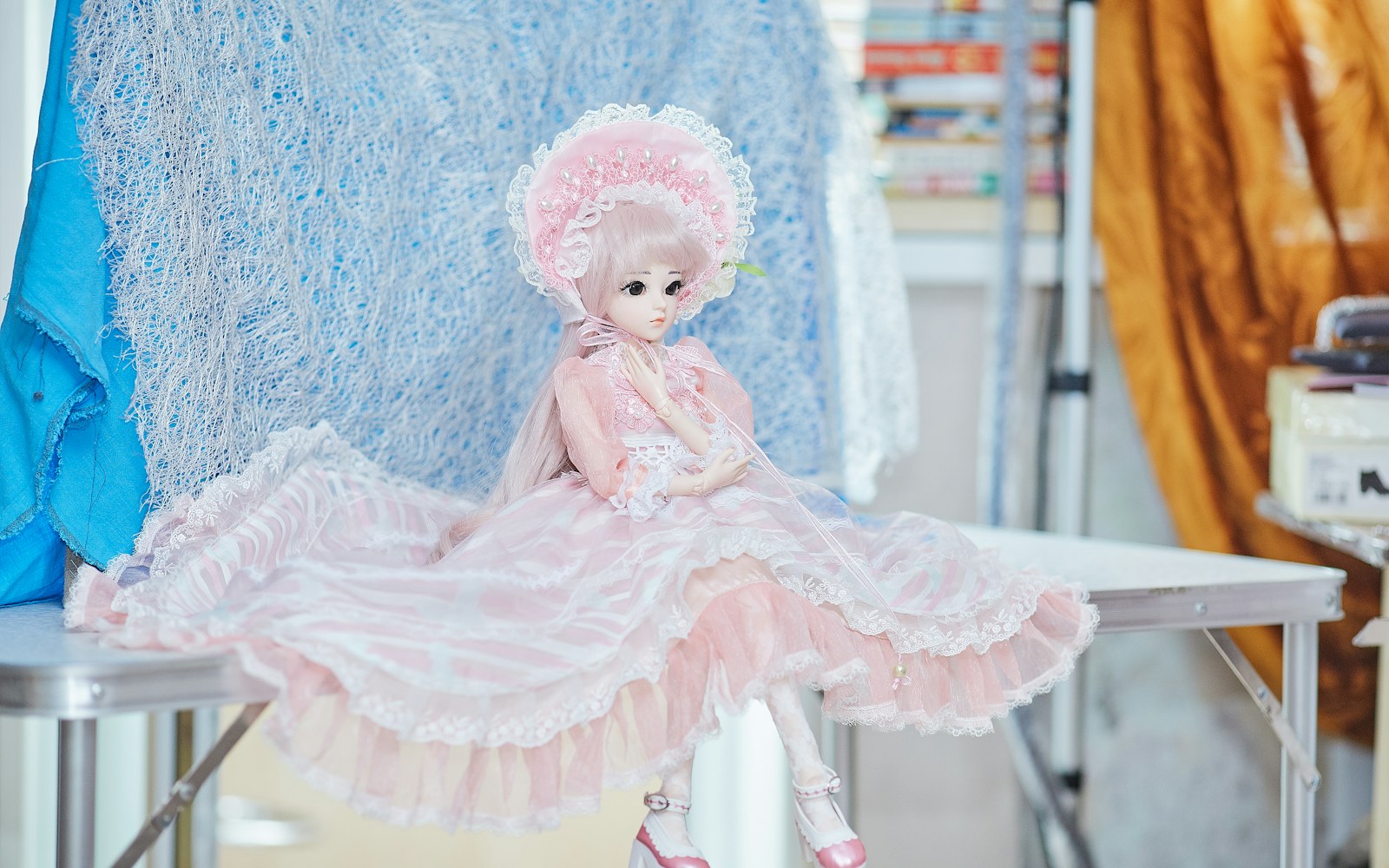
Repurposing vintage textiles for art doll garments is a rewarding way to honor the past while creating something fresh. But it comes with real challenges: delicate fibers may fray or tear, decorative details like embroidery or lace borders need careful alignment, and the small scale of doll clothing magnifies every flaw. This guide walks you through a practical process—from choosing the right vintage piece to finishing a garment that retains the original fabric’s character.
The key is flexibility. Each textile has its own history, condition, and quirks. By assessing these factors before cutting, you’ll avoid common pitfalls and make the most of what the fabric offers.
1. Choosing the Right Vintage Textile
Not every vintage fabric is suitable for doll garments. The first step is to evaluate potential candidates for fiber type, condition, and scale.
Fiber Type and Behavior
Natural fibers—cotton, linen, silk, and wool—are generally more forgiving than synthetics, which can degrade unpredictably. Cotton and linen are sturdy and easy to work with; silk is lustrous but fragile, especially if aged; wool can be felted or weakened by moths. Before committing, test a hidden corner for how it feels when stitched and how it reacts to gentle tension.
Condition Check
Examine the textile in good light. Look for:
- Dry rot: brittleness that causes the fabric to tear easily. If the material crumbles when flexed, it may not be salvageable.
- Stains and fading: Some marks can be worked around; others may indicate underlying weakness.
- Thin or frayed spots: These may be cut out or stabilized, but extensive damage limits usable areas.
- Odors: Musty smells often indicate mildew, which can affect fiber integrity.
Avoid pieces with large areas of severe damage that cannot be isolated or stabilized.
Scale and Detail
Small-scale prints, delicate embroidery, lace trims, and hem borders are ideal for doll garments because they translate well to a miniature scale. Large motifs may be lost or require careful positioning to make sense on a bodice or sleeve. Look for intact sections—for example, the center of a tablecloth that hasn’t been faded by sunlight, or the unsoiled corners of a handkerchief.
Salvage Potential
Even a damaged textile can yield usable pieces. Focus on areas where the fabric is strongest and the pattern most appealing. A stained dress might provide a perfect collar or sleeve from an unstained section.
2. Preparing the Fabric: Cleaning and Stabilizing
Vintage textiles often hold decades of dust, oils, and minor stains. Proceed with caution—aggressive cleaning can cause irreversible damage.
Gentle Cleaning
- Hand wash in cool water with a mild, pH-neutral detergent (such as one designed for delicates). Avoid wringing, twisting, or scrubbing. Instead, gently submerge and swish.
- Spot cleaning may be safer for extremely fragile textiles. Use a damp cloth with minimal moisture.
- Dry cleaning is an option for pieces that cannot tolerate water, but test first on a hidden area.
- Always test for colorfastness: dampen a cotton swab and press it against an inconspicuous spot. If color transfers, consider dry cleaning or forgoing wet treatment.
Drying
Lay the fabric flat on a clean, dry towel, away from direct heat and sunlight. Reshape gently to align the weave. Never hang wet vintage fabric—gravity can distort it.
Stabilizing Weak Areas
Before cutting, reinforce fragile parts to prevent fraying and tearing during construction.
- Fusible interfacing: Apply a lightweight, iron-on interfacing to the wrong side of thin or fraying sections. Test on a scrap first—some vintage fibers may not tolerate the heat.
- Stitching a support fabric: For very delicate areas, hand-stitch a sheer fabric like organza behind the fragile section. This provides strength without visible stiffness.
- Stay-stitching: Once pattern pieces are cut, run a line of machine or hand stitching just inside the seam allowance on curved edges (neckline, armscye) to prevent stretching.
3. Pattern Layout for Maximum Effect
Unlike modern fabrics, vintage textiles often have asymmetrical details, borders, or embroidery that you’ll want to feature prominently.
Aligning Decorative Elements
Place pattern pieces so that lace borders, embroidered motifs, or original hems fall on the garment’s most visible parts—collar, cuffs, bodice front, or hem. For example, a tablecloth’s scalloped edge can become a beautiful collar or sleeve trim.
Working Around Damage
Cut around holes, stains, or thin spots by repositioning pattern pieces or using smaller sections. Allow a margin of at least ¼ inch beyond the damaged area to be safe.
Grainline and Weave
Vintage fabrics may have distorted grainlines due to age or previous use. Before cutting, check that the weave is straight by pulling a thread. Adjust your pattern layout accordingly to avoid twisted garment pieces.
Seam Allowance
Give yourself extra room: use a ½-inch seam allowance instead of ¼ inch. This accommodates fraying and lets you adjust fit later. You can trim down after stitching if needed.
Quick-Reference: Fiber Types and Suitability
| Fiber | Care Notes | Best Use for Doll Garments |
|---|---|---|
| Cotton | Durable, washes well, takes interfacing easily. | Everyday dresses, shirts, undergarments. |
| Linen | Strong but prone to creasing; can be slightly stiff. | Historical or rustic garments. |
| Silk | Lovely drape, but fragile when aged; avoid harsh interfacing. | Formal wear, delicate blouses. |
| Wool | Can felt if washed; may have moth damage. Check for holes. | Coats, capes, traditional outfits. |
| Synthetic blends | May degrade unpredictably; test for melting when ironed. | Use sparingly if in good condition. |
4. Reinforcement Techniques for Fragile Seams
Vintage fabric may give way at seams under stress. Plan your construction to protect it.
Seam Choices
- French seams: Enclose raw edges in a clean, durable finish—ideal for delicate fabrics that fray easily.
- Flat-felled seams: Strong and neat, good for straight seams in cotton or linen.
- Hand-stitched seams: For very fragile silk or lace, hand-sewing with a fine needle (size 60/8 or 70/10) and polyester thread reduces drag and stress.
Stress Points
Reinforce shoulders, armholes, and waist before assembling:
- Apply a small patch of the same or similar fabric behind the area.
- Use lightweight fusible interfacing on the wrong side before cutting.
- Add a narrow line of backstitch at key points.
Needle and Thread
Use a fine, sharp needle—a size 70/10 universal or microtex. A thicker needle can leave permanent holes. Polyester or cotton thread is suitable; avoid thick or waxed threads that may cut through the fiber.
5. Finishing Details That Honor the Original
The goal is not to hide the fabric’s past but to let it shine.
Preserve Original Edges
Where possible, use existing hems, lace trims, buttonholes, or embroidered borders as part of the garment. A vintage handkerchief’s hem can become a collar; a dress’s original lace can edge a sleeve.
Findings
Incorporate vintage buttons, hooks, or beads if they are in good condition and match the fabric’s era. Check that metal findings are not corroded, as rust can stain the textile.
Documentation
Before cutting, take a photo of the original fabric in its entirety, and note the source if known (e.g., “1960s tablecloth from grandmother”). You might also keep a small swatch as a reference. This practice honors the material’s provenance and helps you remember its history.
Limitations
Some details may not survive the process—fading, small tears, or stains that can’t be cut around. Accept these as part of the fabric’s story. The finished garment will be a composite of what was saved and what was let go.
6. Common Mistakes and How to Avoid Them
- Cutting too close to damage: Always leave extra margin around holes or weak spots.
- Ignoring seam allowances: Vintage fabric frays more than modern yardage; allow extra width.
- Over-stabilizing: Heavy interfacing can make delicate fabric stiff and overwhelm its character. Use the lightest weight possible.
- Forgetting scale: Test pattern pieces on a scrap of the same fabric before cutting into precious material.
- Skipping the colorfastness test: A wet fabric that bleeds can ruin days of work.
Conclusion
Repurposing vintage textiles for doll garments is a thoughtful, hands-on process that gives cherished materials a second life. By assessing each piece’s unique strengths and weaknesses, you can create garments that are not only structurally sound but also rich with history. There is no single right way—each project teaches you something new about the fabric’s behavior and your own craft. Approach the work with patience, and let the material guide your decisions.